



|
|
|






30 September 2025
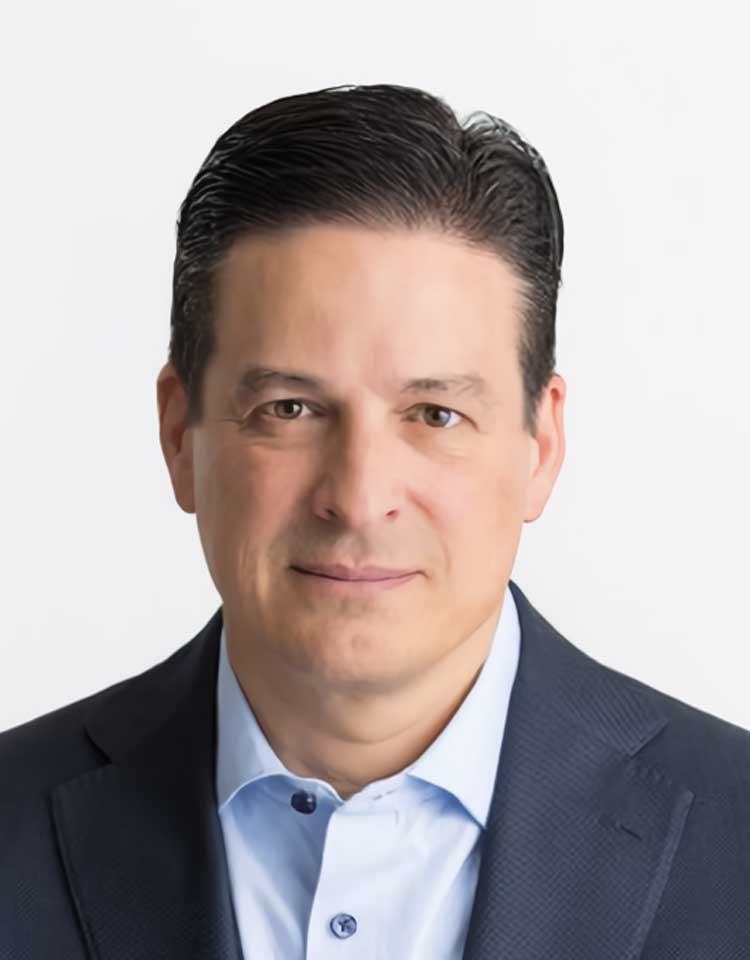
Paolo Carozza, Professor of Law at the University of Notre Dame and Co-Chair of the Oversight Board, discusses the independent Oversight Board’s role in providing rulings and recommendations on Meta’s platform postings, who comprises the board, how determinations are made, and the importance of transparency and platform accountability in the online digital space as they relate to free speech.
0:00
0:00
Related Podcasts
08 July 2022
Ilya Shapiro, Senior Fellow and Director of Constitutional Studies at the Manhattan Institute, discusses attacks on the U.S. Supreme Court's legitimacy, when the freedom to speak becomes no freedom at all, and why he quit Georgetown University Law Center.
29 April 2022
Quin Hillyer, Senior Commentary Writer and Editor for the Washington Examiner and Contributing Editor for National Review Online, discusses free speech on college campuses, how free expression took center stage in a speech by former Vice President Mike Pence at the University of Virginia, and predictions on who might make a run for president in 2024.
12 February 2021
Jude Schwalbach, Research Associate and Project Coordinator at The Heritage Foundation’s Center for Education Policy, discusses the importance of free speech to democracy, how we can return civil discourse to higher education, and the problem with "free speech zones" on college campuses.
19 April 2018
David Keating, President of the Institute for Free Speech, discusses his organization's Free Speech Index, which details how well each state protects the First Amendment right to engage in political speech and assesses the harmful restrictions on political speech adopted by some of the states.
01 March 2018
Richard Samp, Chief Counsel for the Washington Legal Foundation, discusses WLF's brief filed in the U.S. Supreme Court, which urges the Court to review and strike down a Berkeley, California, ordinance that requires all cell phone retailers to post cell phone health warnings, in violation of their First Amendment rights not to be compelled to convey the government's message.

27 October 2017
Bradley A. Smith, Chairman and Founder of the Institute for Free Speech and Former Chairman of the Federal Election Commission, discusses the so-called "Honest Ads Act," how the proposed legislation would impose more burdens on Americans' free speech rights, and the problems with extending the existing "electioneering communication" FEC disclaimer language to social media ads.
