




|
|
|



















19 November 2026
Karen Kerrigan, President and CEO of the Small Business and Entrepreneurship Council, discusses what the midterm election results might mean for small businesses and entrepreneurs, how excessive litigation undermines small businesses and innovation, and good news out of the Department of Labor regarding independent contractors.
13 November 2026
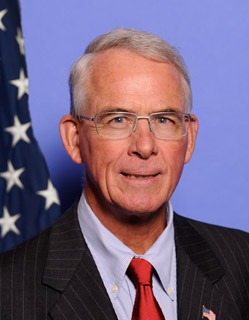
Ambassador Francis Rooney, former member of the U.S. House of Representatives and former U.S. Ambassador to the Holy See, discusses what the Trump Administration’s foreign policy should look like as the United States pursues its global interests, including issues related to NATO and the European Union, the Ukraine-Russia war, China and Iran.

06 November 2026
Hans von Spakovsky, Senior Legal Fellow at Advancing American Freedom, discusses some of the major cases on the docket so far for the U.S. Supreme Court’s 2026-2027 term, including a case challenging whether Montgomery County, Maryland’s lottery system for admission to middle school magnet programs effectively discriminates against Asian American students, and what it may mean for schools nationwide.

29 October 2026
Zack Smith, Senior Legal Fellow of Courts and the Constitution at The Heritage Foundation, discusses the Department of Justice’s newly created National Fraud Enforcement Division, what it means for the investigation and prosecution of financial crimes and misuse of taxpayer dollars, and the backlash and ethics complaint against liberal members of Congress who are “warning” young people not to work in the Trump administration.
23 October 2026
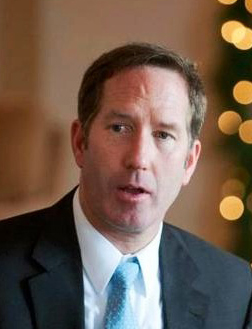
Timothy Lee, CFIF’s Senior Vice President of Legal and Public Affairs, discusses how the British welfare system is bankrupting its national defense, and why the best healthcare reform in America means less (not more) government control.

09 October 2026
Sally Pipes, President and CEO of the Pacific Research Institute, discusses what the United States can learn from Canada's and the United Kingdom's single-payor systems, and the real costs of “Medicare for All,” including the elimination of private healthcare, physician shortages, hidden taxes, and lack of access.

30 September 2026
William J. Conti, an attorney from Washington, DC, discusses the Protect College Sports Act, a bill recently passed by the U.S. Senate, its prospect of becoming law, what its passage may mean for college sports, and more.
25 September 2026
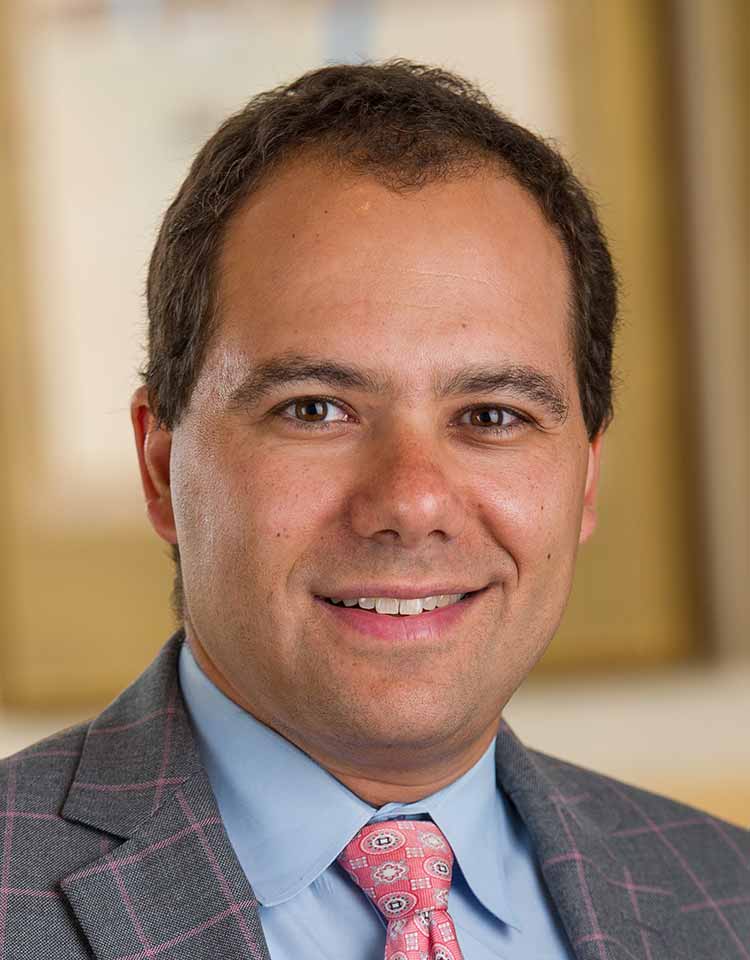
Ilya Shapiro, Senior Fellow and Director of Constitutional Studies at the Manhattan Institute, discusses what’s to come in the Supreme Court’s new term that opens October 5th, the Court’s heavy focus thus far on the docket cases involving administrative powers, and how the Court stacks up in recent polls relating to its job approval.
17 September 2026
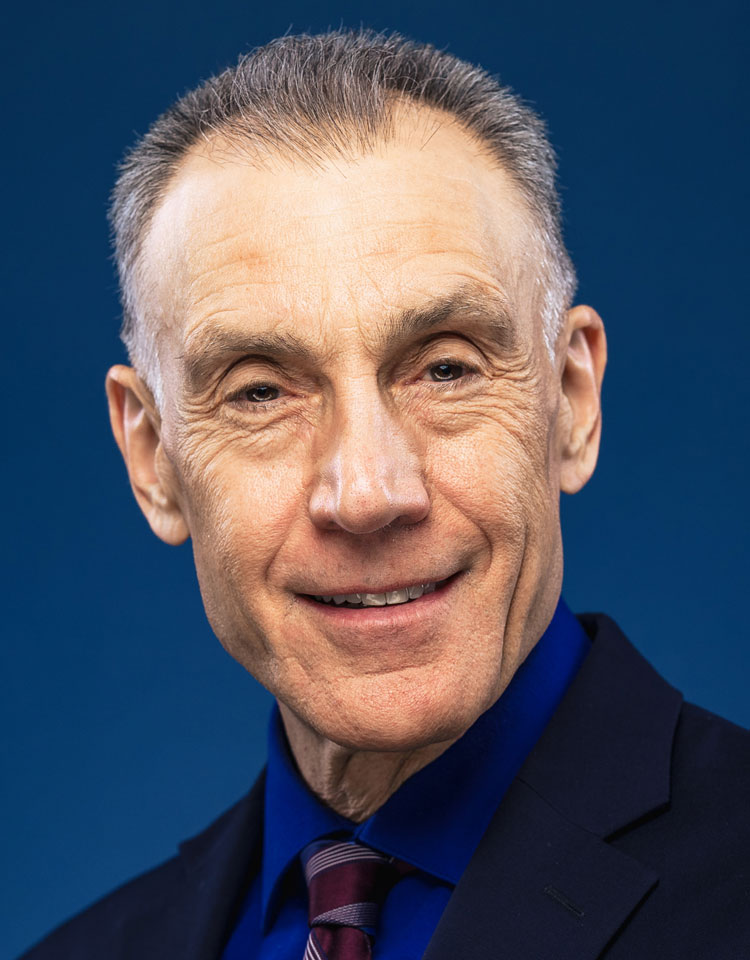
Marlo Lewis, Jr., Senior Fellow at the Competitive Enterprise Institute, discusses how the partial repeal of a Biden-era rule addresses EPA overreach, gets rid of every Biden requirement that would make fossil-generation unfeasible, and helps to address affordability concerns while ensuring America maintains reliable electricity sources.
10 September 2026
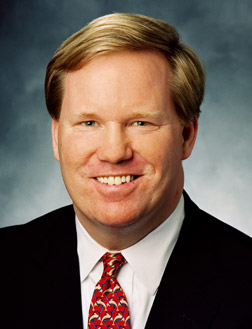
Sherman “Tiger” Joyce, President of the American Tort Reform Association, discusses the rise of “regulation by litigation,” how policy should be developed and enacted by elected lawmakers and not through the judicial system where judges are not accountable to the public, and the how profit motive rather than justice is driving lawsuits with big paydays for plaintiffs lawyers.

28 August 2026
Phil Kerpen, Founder and President of American Commitment, discusses the Inflation Reduction Act’s drug price controls, how they hurt access and innovation, and why they must be repealed and replaced with pro-growth policies and strong intellectual property protections to encourage investment in new life-saving medicines.

21 August 2026
Tzvi Kahn, Research Fellow and Senior Editor at the Foundation for Defense of Democracies, discusses President Trump’s “Economic D-Day” threat against Iran, what is needed of U.S. allies for the plan to work, and why it is the Iranian people who must overthrow the regime for there ultimately to be peace.

13 August 2026
Evan Swarztrauber, Senior Fellow at the Digital Progress Institute and Host of "The Center Edge” podcast, discusses how disputes over utility pole attachments are burdening broadband deployment under the Broadband Equity, Access, and Deployment (BEAD) Program, why Congress and the FCC need to take a more active role on issues related to pole attachment cost-sharing and timelines, and what all of it means from a safety standpoint.
06 August 2026
Timothy Lee, CFIF’s Senior Vice President of Legal and Public Affairs, discusses the public policy ramifications of ignoring Dr. Anthony Fauci’s COVID-era diary, whether his diary entries contradict what he told the public, and why he is facing a contempt charge from Congress.
31 July 2026
William J. Conti, an attorney from Washington, DC, discusses Dr. Anthony Fauci invoking the Fifth Amendment at a U.S. Senate COVID hearing, the Democratic Socialists of America and its agenda, and the midterm elections.
Scroll to load more
