









America as we know it was built largely upon and because of our rail industry, and today it remains…
CFIF on X CFIF on YouTube
So-Called "Railway Safety Act" Constitutes a Political Handout to Big Labor That Does Nothing to Improve Safety At All

America as we know it was built largely upon and because of our rail industry, and today it remains a pillar of our economy.

Unfortunately, a destructive proposal before Congress misleadingly named the "Railway Safety Act" (RSA), part of broader surface transportation reauthorization, threatens great harm to our railroads.

Simply put, the bill has nothing to do with improving safety, but has a lot to do with advancing the political agenda of Big Labor.  At a moment when inflation burdens American families and fragile supply chains remain vulnerable to disruption, the last thing our economy or rail sector need is another costly federal mandate imposed upon one of the nation’s most important transportation sectors.

As an initial matter, as noted by The Wall Street Journal, the…[more]

May 20, 2026 • 04:28 PM
Why Wouldn't Americans See Politics In Trump Indictments?
By Byron York
Wednesday, August 09 2023
It is sometimes said that the prosecutions of former President Donald Trump are "backfiring" on Democrats. That is, instead of lowering Trump's political support, they are raising it. That is indeed happening among Republicans and some independents. But many Democrats still hope the cumulative weight of multiple indictments – there will soon be four, when the Georgia case is added to the New York case and the two federal cases – will make it impossible for Trump to win the general election.  That is why there seemed to be a mini panic recently when…
 
New Banking Regulations Could Sink the Economy
Banking is just about the most regulated industry in America. Yet, as we saw with the collapse of Silicon…
Read more...
The Zero Carbon Flimflam
When politicians go green, vowing zero carbon, the public should see red.  We all want to protect…
Read more...
 
Atomic Bombing Criticisms Are Morally and Logically Unsustainable
"I’m proud that I was able to start with nothing, plan it and have it work as perfectly as…
Read more...
Should We Blame the Budget Players or the Game?
It's common knowledge among budget experts that the budget process is "broken." Anyone who…
Read more...
 
Alarm Goes Out: Trump Could Win
In the past few days, we've seen a number of political analysts come to a momentous conclusion. Actually…
Read more...
Will the Biden Administration Ban Cigars?
What is it with the Left that they want to ban nearly everything that is fun or convenient? Gas stoves…
Read more...
 
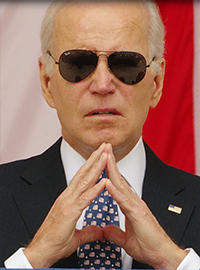
Ignore President Biden, Here's What Is Really Happening in Israel
President Joe Biden has reportedly asked Israeli Prime Minister Benjamin Netanyahu to stop pushing through…
Read more...
Supreme Court Confronts Unfair and Unconstitutional “Wealth Tax”
In his desperate effort to rebrand “Bidenomics” as some sort of positive, Joe Biden regularly…
Read more...
 
Why We're Asking the Wrong Question About the Industrial Policy Push
Proponents of the ongoing push for national industrial policy, whether they come from the left or the…
Read more...
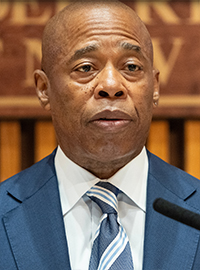
New York City: A Sanctuary No More
Recently, New York Mayor Eric Adams announced that the city has printed thousands of flyers it plans…
Read more...
Notable Quote   
 
"'It was the best of energy policies; it was the worst of energy policies' -- Charles Dickens, A Tale of Two Cities. (Apocryphal)Higher electricity prices and a lack of cheap energy are in the news. Even before the start of the Iran war, consumers over the winter of 2025-2026 experienced some of the highest energy prices on record, especially electricity consumers in the Northeast and New England.…[more]
 
 
— William Murray, Former Speechwriter for the Environmental Protection Agency (EPA), Past Editor of RealClearEnergy, and Current Chief Speechwriter for the Commodity Futures Trading Commission
 
Liberty Poll   

In a time of growing national economic stress, should the Artemis moon missions, expected to ultimately cost taxpayers more than $100 billion, be continued or postponed?