




|
|
|


















03 June 2026
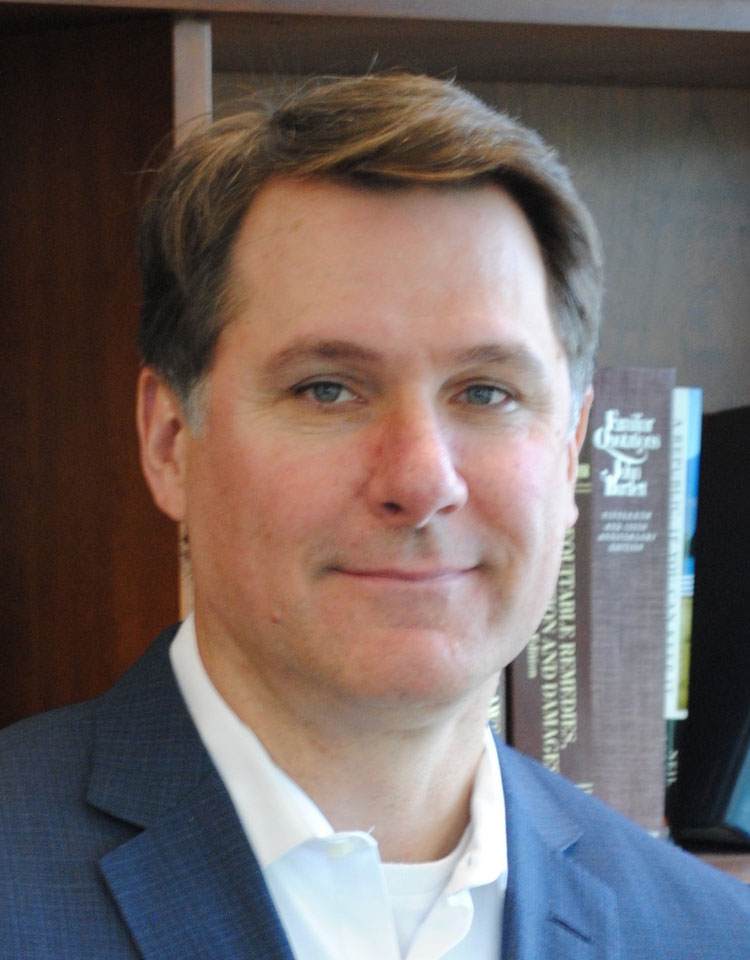
Michael O’Neill, Senior Vice President and Assistant General Counsel at Landmark Legal Foundation, discusses three upcoming decisions in some of the biggest cases before the U.S. Supreme Court this term and his predictions on how they may be decided.
0:00
0:00
Related Podcasts

10 October 2025
Hans von Spakovsky, Manager of the Election Law Reform Initiative and a Senior Legal Fellow in the Edwin Meese III Center for Legal and Judicial Studies at The Heritage Foundation, discusses some of the more significant cases among the 39 already on the U.S. Supreme Court’s current term docket, the volume of emergency appeals before the Court this summer, and why this term is shaping up as one of the most momentous in the Court’s history.
05 December 2024
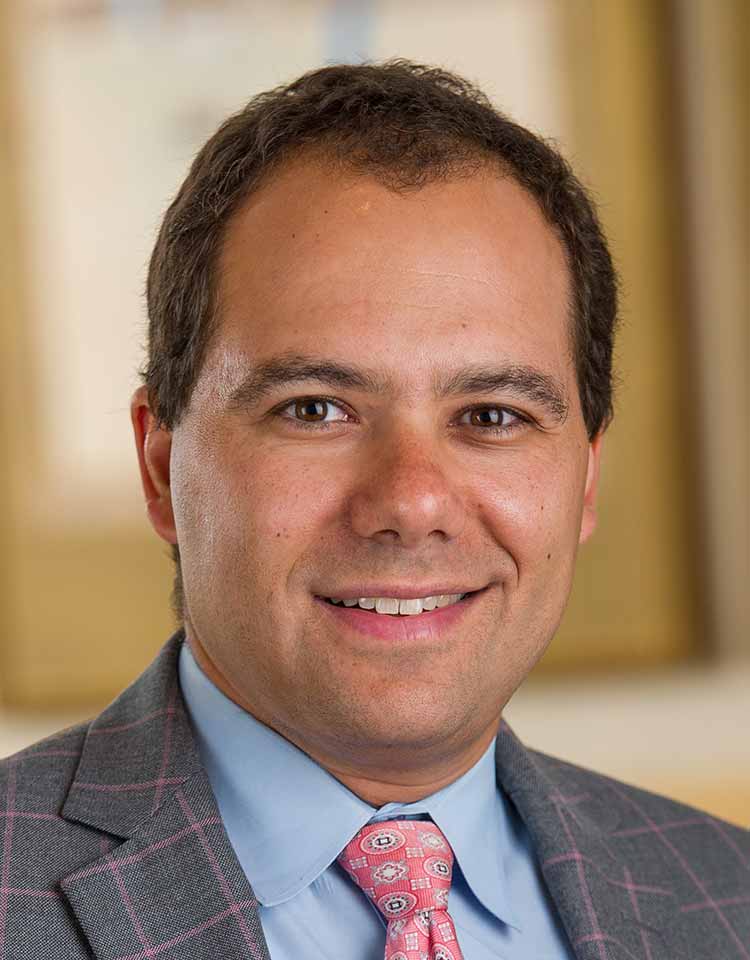
Ilya Shapiro, Senior Fellow and Director of Constitutional Studies at the Manhattan Institute, discusses the unprecedented but not unconstitutional idea of President-elect Trump nominating Supreme Court justices prior to a vacancy, the likelihood of an upcoming retirement of a current justice, the current caseload of the Court, and his new book, "Lawless: The Miseducation of America's Elites."
12 July 2024
Ilya Shapiro, Senior Fellow and Director of Constitutional Studies at the Manhattan Institute, discusses some of the seminal cases decided late in the U.S. Supreme Court's term, including the decision that rollbacks the Chevron doctrine and constitutes a massive blow to the power of federal agencies, and how the Court drew the line regarding presidential immunity in another decision.
25 January 2024
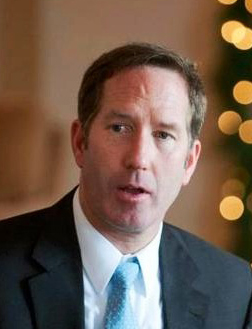
Timothy Lee, CFIF's Senior Vice President of Legal and Public Affairs, discusses the enormous amount of deference afforded to federal regulatory agencies by the 40-year-old U.S. Supreme Court decision in Chevron v. Natural Resources Defense Council, and how the Supreme Court appears poised to eliminate that long-standing Chevron doctrine and reinstitute proper constitutional balance among the three branches of government.
12 September 2023
Ilya Shapiro, Senior Fellow and Director of Constitutional Studies at the Manhattan Institute, discusses upcoming Supreme Court cases, most notably an administrative law case involving the National Marine Fisheries Service that will examine current law under the Chevron doctrine and how much deference to give to administrative agencies.

10 March 2017
John Malcolm, Director of the Edwin Meese III Center for Legal and Judicial Studies and the Ed Gilbertson and Sherry Lindberg Gilbertson Senior Legal Fellow at The Heritage Foundation, discusses how the Senate is gearing up for its hearings with Judge Neil Gorsuch beginning on March 20th and then provides some insight into questions about Gorsuch's judicial philosophy.
