




|
|
|
















Load Newer Podcasts



07 September 2018
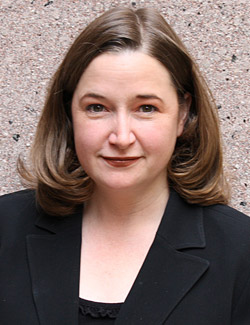
Angela Logomasini, Senior Fellow at the Competitive Enterprise Institute, discusses the hypocrisy and ineffectiveness of plastic straw bans.
07 September 2018
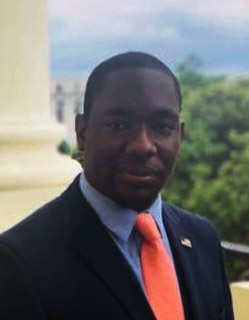
Diante Johnson, President and Founder of the Black Conservative Foundation, discusses how BCF has encouraged interest in the Black conservative movement, has supported future leaders in the conservative movement and has advocated on behalf of the conservative platform as it relates to the Black community.
31 August 2018
Robert F. McDowell, Partner with Cooley LLP and Former FCC Commissioner, discusses the global significance of the proposed T-Mobile-Sprint merger and the positive impact it could have for consumers, innovation and labor markets.
31 August 2018
Cleta Mitchell, Partner and Political Law Attorney at Foley & Lardner LLP, discusses how Special Counsel Robert Mueller’s investigation is more of a witch hunt than a fair-minded investigation and why he should apply at least the same fervor to Democrats’ 2016 campaign-finance violations and activities that he has applied to investigating President Trump and his associates.
31 August 2018
Tori K. Whiting, Jay Van Andel Trade Economist and Roe Institute for Economic Policy Studies at The Heritage Foundation, discusses the breakthrough in NAFTA talks with Mexico, the obstacles that remain for a stronger NAFTA and whether Canada will rejoin negotiations.
30 August 2018
Timothy Lee, CFIF’s Senior Vice President of Legal and Public Affairs, discusses the passing and legacy of Senator John McCain, how public sector unions are facing steep revenue declines in the wake of SCOTUS’ Janus decision and why compulsory union dues violate the First Amendment.
24 August 2018
John Shu, Attorney and Legal Commentator who served President George H.W. Bush and President George W. Bush, discusses how the Senate Democrats have subjected many of President Trump’s nominees to unprecedented lengthy delays and obstructionism.
24 August 2018
Sally Pipes, President and Chief Executive Officer and Thomas W. Smith Fellow in Health Care Policy at the Pacific Research Institute, discusses short-term catastrophic coverage, why healthcare is a top issue for voters in 2018, and the push for “Medicare for All.”
24 August 2018
Matthew Hennessy, Associate Op-Ed Editor at The Wall Street Journal, discusses his latest book, “Zero Hour for Gen X: How the Last Adult Generation Can Save America from Millennials.”
17 August 2018
Pete Sepp, President of National Taxpayers Union, discusses why another round of tax reform is necessary to preserve the gains made by last year's Tax Cuts and Jobs Act.
17 August 2018
Thomas Jipping, Deputy Director for the Edwin Meese II Center for Legal and Judicial Studies and Senior Legal Fellow, discusses the upcoming Senate confirmation hearings for Judge Kavanaugh and the role of a judge.
17 August 2018
Ryan Mauro, Director of the Clarion Intelligence Network and Shillman Fellow for the Clarion Project, discusses the raid on an Islamic extremist compound in New Mexico that rescued eleven malnourished children and the role of local law enforcement and the FBI.
10 August 2018
Phil Kerpen, President of American Commitment, discusses Mike Bloomberg's campaigns to promote soda taxes across the nation and at the United Nations, and the regressive nature of such taxes.
10 August 2018
Roslyn Layton, Visiting Scholar at the American Enterprise Institute, discusses the latest developments in the Title II/net neutrality debate, a proposed Congressional Review Act resolution and privacy regulation.
03 August 2018
William J. Conti, Partner at Baker & Hostetler, discusses Judge Brett Kavanaugh and how his nomination could affect the ten red state Democratic senators up for reelection, the latest negotiations involving the anthem policy, and more.
Scroll to load more
