




|
|
|




















18 July 2014
Ashton Ellis, CFIF Fellow and Adjunct Faculty at Pepperdine University School of Public Policy, discusses why critics agree that President Obama is failing to uphold his oath of office, Sarah Palin's premise that Obama is acting lawlessly with respect to America's unsecured border crisis, and what, if anything, can and should be done about it.
0:00
0:00
Related Podcasts

07 June 2019
Phil Kerpen, President of American Commitment, discusses the Consumer Financial Protection Bureau's proposal to relax the Obama-era rules that would severely restrict the availability of small-dollar loans and why Director Kathleen Kraninger should stay the course on reversal.
16 June 2017
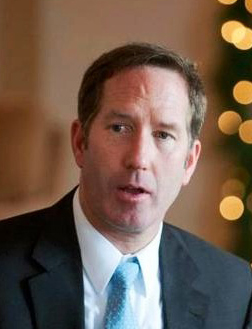
Timothy Lee, CFIF's Senior Vice President of Legal and Public Affairs, discusses why rejecting the costly Paris Climate Treaty puts American interests first and why FCC Chairman Ajit Pai's plan to repeal the Obama era Title II internet classification is good for consumers.

27 January 2017
Hans von Spakovsky, Senior Legal Fellow at the Heritage Foundation, discusses why it is disingenuous to deem the Obama presidency as "scandal-free," how the myth has been perpetuated by the media and Mr. Obama's penchant for secrecy.

13 January 2017
Genevieve Wood, Senior Fellow in Communications at The Heritage Foundation and Senior Contributor at The Daily Signal, discusses President Obama's failed legacy and broken promises in areas such as foreign policy, regulations, constitutional powers and the judiciary.

02 December 2016
Andrew M. Grossman, Partner in the Washington, DC, office of Baker & Hostetler, discusses why one of the first actions on President Trump's chopping block should be the Clean Power Plan and how the aggressive legal positions in President Obama's most controversial rules make them easier to rescind.
15 September 2016
Timothy Lee, CFIF's Senior Vice President for Legal and Public Affairs, discusses the Obama Administration's latest efforts to undermine the judicial and regulatory process that granted federal permit approvals to build the Dakota Access Pipeline (which is already half-completed at a cost of $1.6 billion) and how retroactive reconsideration sets troubling precedent.
