

















| Robot Revolution |
 |
|
By Betsy McCaughey
Wednesday, April 12 2017 |
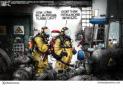
Treasury Secretary Steven Mnuchin is taking flak for saying he's "not worried at all" about robots displacing American workers. He's spot on. Robots will soon spark a productivity boom, leading to improved economic growth, higher wages and a higher standard of living. Just what America needs after a decade dragging along at 2 percent growth. Scaremongers who warn that robots steal jobs are failing to envision the jobs of the future. A hotel worker who makes room service deliveries today may instead be monitoring or repairing a fleet of delivery robots in a few years. Not to mention the new jobs in every sector that will come with a surging economy, predict PricewaterhouseCoopers consultants. Robots are our friends. And there's no going back, contrary to what critics like Microsoft mogul Bill Gates say. The tech billionaire now wants to put the brakes on the next innovation boom. He's proposing a hefty tax to penalize robots in the workplace. Sheer foolishness. History is replete with examples of technophobes who tried in vain to stop progress. Two centuries ago, Luddites smashed machinery in British textile factories to protest industrialization. A century ago, trucks, tractors and cars put horses out to pasture and brought droves of people off the farm, sparking America's rise to economic dominance. And just 40 years ago, computers launched the tech boom. Now we're on the brink of the robot revolution. Not a minute too soon. Economists have been griping about the stagnant world economy, claiming what's needed is a technological breakthrough. Well, here it is, assuming politicians don't try to kill it. Robotics has already taken hold in manufacturing, especially the auto industry, where a single machine can be programmed to weld, paint and assemble, all without an operator. These machines are so efficient that U.S. factories are producing more with fewer workers on the assembly line. That gain in productivity translates into higher wages for the remaining factory workers and lower prices for consumers. That's not lost on automakers in Japan, South Korea, Germany and China. They are also heavily investing in robots. If President Trump succeeds in bringing auto jobs back to the U.S., they won't be the same routine, repetitive tasks assembly line workers had in the past. These new jobs will require knowledge of computer-aided design, hydraulics and other complex engineering issues. The same goes for the service sector, like retail shops, hotels, restaurants and warehouses. A staggering 94 percent of CEOs using robots say they've increased productivity. The end result: fewer jobs for unskilled workers, though in all likelihood more jobs overall as the economy grows, according to PricewaterhouseCoopers. The new jobs will likely pay more but demand more skills. So it's urgent for workers and young people to get the skills needed for tomorrow's work environment. Left-wingers like Bernie Sanders are calling for "free" college at taxpayers' expense. But college is not the cure-all, especially for film and gender studies majors who shun courses that would give them work skills. Tell that to New York Governor Andrew Cuomo. In 2014, Cuomo launched a free in-state tuition program for students majoring in science and technology subjects. Now Cuomo's taking a bad idea — "free" college — and making it worse by dropping the STEM requirement. Message to politicians: Focus on workplace readiness. It beats trying to block technological progress — a vain attempt to protect yesterday's jobs. Should Lincoln have opposed the Transcontinental Railroad to protect the jobs of stagecoach drivers? When banks introduced ATMs, tellers panicked. But ATMs increased profits, and banks expanded. They then hired more tellers to do more complex tasks, as Gabriel Horwitz of the centrist Third Way think tank explains. The economy thrives when businesses, not politicians, call the shots on technology. Embracing robots will create more goods and services, a bigger pie for all to share. Skills training will help everyone get a piece of the pie. ---------------------------------------------------------------------------------------------------------------------------------------- Betsy McCaughey is chairman of the Committee to Reduce Infection Deaths. |

Related Articles : |
