




|
|
|













| Congress May Finally Touch the 'Third Rail.' Inflation Will Hold Them Accountable. |
 |
|
By Veronique de Rugy
Thursday, February 12 2026 |
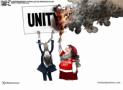
Your representatives may finally grab the feared "third rail" of U.S. politics. When the Social Security and Medicare trust funds run out in the early 2030s, the law is clear: Benefits must be slashed. That would mean a roughly 24% cut to Social Security checks and an 11% cut to Medicare benefits. But Congress almost certainly won't let that happen. The easy, though irresponsible, political path may seem obvious: Change the law, keep benefits whole, and pay by borrowing the money. This way legislators won't have to cast unpopular votes for spending cuts or tax hikes. This makes sense only if the consequences won't become clear until much later, after voters have forgotten all about it. What most people are missing is that this time, the consequences may show up quickly. Inflation may not wait for debt to pile up. It can arrive the moment Congress commits to that debt-ridden path. Unfortunately, this part may not be so obvious to legislators looking at projections. According to the Congressional Budget Office, borrowing to cover Social Security and Medicare shortfalls would push federal debt to about 156% of GDP by 2055. These shortfalls account for roughly $116 trillion, including interest, over those 30 years. In spite of all this debt, the projections assume inflation stays low for decades and interest rates only go up very slowly. That calm outlook is misleading. Think of government debt like shares in a company, which have value based on what investors believe they will earn in the future. Government debt works the same way: Its value depends on whether those who buy it believe future primary surpluses – revenue minus spending, excluding interest – will be sufficient to pay for that government's promises and obligations. When the belief weakens, markets don't just sit around and wait for the reckoning. They adjust immediately. And in the United States, that adjustment usually shows up as inflation. We saw this happen just a few years ago, between 2020 and 2022, when Congress approved about $5 trillion in debt-financed spending with no clear payment plan. Households received pandemic stimulus checks, spent them quickly and saw no reason to expect higher taxes or fewer services. They were right. The post-pandemic era didn't bring austerity. Inflation followed, and not simply because the Federal Reserve expanded the money supply. People realized the new debt lacked a credible plan behind it. The dollar's buying power weakened until the real value of government debt fell back in line with the expected future primary surpluses available to back it. By the time inflation peaked at 9% in 2022, federal debt equaling about 10% of GDP had effectively been erased through higher prices. Voters hated the inflation, and they made that clear at the ballot box in 2024. The entitlement deadline could trigger an even stronger reaction. Senators elected this year will be tempted to borrow everything needed to preserve benefits. But without serious reform, new revenue and spending restraint, investors may not wait to see whether some future Congress eventually finds a way to pay. If they reprice U.S. debt right away, prices could rise much faster than official forecasts suggest – perhaps almost immediately. Not because the debt is huge (that's already true), but because people no longer trust the plan behind all that future debt. At that point, the Fed would be in a terrible position. Raising interest rates to fight inflation would also immediately drive up government borrowing costs on debt that must be rolled over quickly. Paying higher-interest bills with even more debt would be like paying off one credit card with another. The Fed would be forced to choose between tolerating inflation or triggering a deeper fiscal crisis. Either way, the costs would be severe. Inflation is a silent, unvoted-on tax. It eats away at savings, pensions and fixed incomes. It hurts retirees who did everything right and relied on safe assets. It squeezes workers whose paychecks don't keep up with rising prices. It pushes families to spend more on groceries, rent, energy and health care. And it distorts the entire economy by rewarding speculation over productive investment. No one escapes. Not the poor. Not the middle class. Not even the wealthy. It's the most painful way to finance government promises. Legislators know this, but reform is hard. The temptation is to borrow, avoid conflict and let others clean up the mess when political prospects are better. But this time, inflation could break out on the same legislature's watch. The reckoning will not be postponed, and neither will accountability. As in 2021, voters will pay first, and then they will assign blame. Veronique de Rugy is the George Gibbs Chair in Political Economy and a senior research fellow at the Mercatus Center at George Mason University. COPYRIGHT 2026 CREATORS.COM |
Related Articles : |
