




|
|
|

















01 December 2022
Ryan Young, Senior Fellow at the Competitive Enterprise Institute, discusses the numerous ridiculous regulations coming out of the Biden Administration on a weekly basis, how labor unions are taking a short-term view on the proposed Kroger/Albertsons merger, and why we need to be educated on how "money supply" is impacting inflation numbers.
0:00
0:00
Related Podcasts
08 February 2024
Ryan Young, Senior Economist at the Competitive Enterprise Institute, discusses the recent report from the Bureau of Economic Analysis regarding final GDP numbers for 2023, what they mean for 2024, the latest unemployment numbers, and why Congress should pass the pro-transparency ALERT Act with the aim to reduce the number of ridiculous regulations.
22 June 2023
Ryan Young, Senior Economist at the Competitive Enterprise Institute, discusses inflation and the Federal Reserve, the relentless number of ridiculous regulations churned out each week by federal agencies, and sensible bills passed by the House of Representatives to shrink the power of the administrative state.

12 May 2022
Nathan Lewis, author and a leading authority on monetary policy and economic history, discusses his latest book, Inflation: What It Is, Why It’s Bad, and How To Fix It, co-authored with Steve Forbes and Elizabeth Ames,. Lewis explains the threat inflation poses to our economy and democracy, what history has taught us about inflation, and guidelines to investing during inflationary times.
14 October 2021
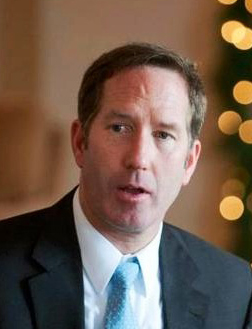
Timothy Lee, CFIF's Senior Vice President for Legal and Public Affairs, discusses the outrageous push by President Biden and some in Congress to subsidize government-owned broadband networks, and a look at how inflation is outpacing American workers’ paycheck gains.

07 May 2021
Jonathan Butcher, the Will Skillman Fellow in Education at The Heritage Foundation, discusses the stark contrast in school re-openings where union strongholds do and don't exist, and how school choice could play a bigger role in giving options to families held hostage by political partisanship rather than scientific evidence.

09 April 2021
Chris Kieser, an Attorney with the Pacific Legal Foundation, discusses, among other issues, property rights and a case recently argued before the U.S. Supreme Court in which farmers ask the Court to restore the right to turn away union organizers who storm their property.
