




|
|
|


















13 August 2026
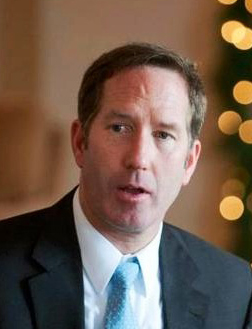
Evan Swarztrauber, Senior Fellow at the Digital Progress Institute and Host of "The Center Edge” podcast, discusses how disputes over utility pole attachments are burdening broadband deployment under the Broadband Equity, Access, and Deployment (BEAD) Program, why Congress and the FCC need to take a more active role on issues related to pole attachment cost-sharing and timelines, and what all of it means from a safety standpoint.
0:00
0:00
Related Podcasts
14 October 2021
Timothy Lee, CFIF's Senior Vice President for Legal and Public Affairs, discusses the outrageous push by President Biden and some in Congress to subsidize government-owned broadband networks, and a look at how inflation is outpacing American workers’ paycheck gains.

30 July 2021
Phil Kerpen, President of American Commitment, discusses how America's private broadband infrastructure should serve as a model to bring more private management and investment to other types of infrastructure, and how the Biden Administration's idea of massively funding a government takeover of broadband will lead to unsustainable, unreliable and costly services while disincentivizing private investment and innovation.
30 April 2021
Timothy Lee, CFIF's Senior Vice President of Legal and Public Affairs, discusses President Biden’s $100 billion broadband spending proposal, why it would undermine private broadband investment, and how history teaches us that government-sponsored broadband doesn't work, costing American taxpayers.

08 February 2019
Dr. Robert M. Mcnab, Professor at Old Dominion University, discusses the challenges and promises of rural broadband access, what can help reduce the digital divide between rural and urban areas, and a recent study regarding the impact of broadband access and proposed investments in 5G networks in South Dakota.

26 October 2018
Dr. William Lehr, Economist, Industry Consultant, and Research Associate at MIT, discusses how mobile network operators are transforming their networks to meet the 5G challenge and why the proposed merger between T-Mobile and Sprint should be regarded as pro-competitive and good for consumers.

12 January 2018
Grover Norquist, President of Americans for Tax Reform, discusses how one million Americans (and counting) will receive bonuses due to tax reform and how many more will enjoy lower rates for utilities as well.
