




|
|
|


















24 September 2018
Michael R. Strain, Director, Economic Policy Studies and John G. Searle Scholar at the American Enterprise Institute, discusses his recent article on the war on poverty, and the negatives of Senator Bernie Sanders' proposed legislation to tax large businesses with employees who receive benefits from safety-net programs.
0:00
0:00
Related Podcasts

11 January 2024
Rachel Greszler, Senior Research Fellow in the Roe Institute at The Heritage Foundation, discusses how President Biden's proposed overtime regulations will result in job losses, lower benefits and less flexibility for employees, and how struggling Americans would bear the impact of a $17 federal minimum wage.
03 August 2023
Rachel Greszler, Senior Research Fellow at The Heritage Foundation, discusses how the Biden Administration is placing teachers unions' power over students, and proposed legislation in Michigan that would force all taxpayers to fund unions.

28 October 2021
Leslie Ford, Visiting Fellow in Domestic Policy Studies at The Heritage Foundation, discusses the negative impact of workless safety-net benefits, why President Biden needs to remember the history of the bipartisan law requiring work as a basis for welfare, and how the child tax credit should not be a monthly child allowance.

19 June 2020
Vincent Vernuccio, Senior Fellow of Labor Policy for the Mackinac Center's National Workers Opportunity Initiative, discusses three ways to keep money in the hands of more workers who need it now: bar unions from collecting dues from unemployment members, give public employees a fresh choice and apply the Janus decision to private sector union jobs.
20 July 2018
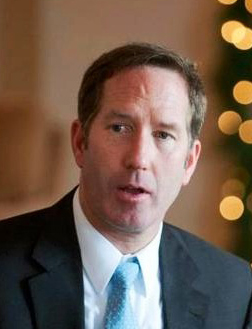
Timothy Lee, CFIF's Senior Vice President of Legal and Public Affairs, discusses the Supreme Court’s Janus v. AFSCME decision, how public-sector workers will no longer be required to pay involuntary membership dues to unions and what the decision means for First Amendment freedoms of speech and association.

05 July 2018
Peter Murphy, Director of Policy at #EdTaxCredit50 and Vice President for Policy at the Invest in Education Foundation, discusses the USA Workforce Tax Credit Act and the need to address our nation's skills gap.
