




|
|
|







Load Newer Podcasts




15 March 2013
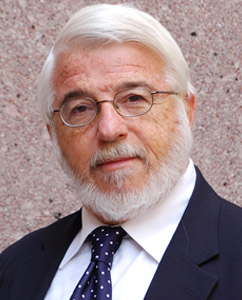
Fred Smith, Jr., Founder and Chairman of the Competitive Enterprise Institute, discusses diversity, capitalism, tolerance and this year's Conservative Political Action Conference.
08 March 2013
Michelle Minton, Consumer Policy Studies Fellow at the Competitive Enterprise Institute, discusses "The Wage of Sin Taxes," why they do nothing to reduce societal costs, how NYC Mayor Bloomberg's ban on big soda could spoil family pizza night, and what's wrong with proposed energy drink bans.
01 March 2013
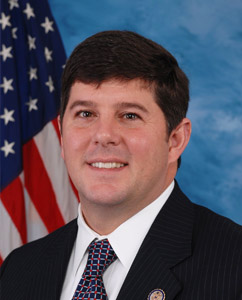
Congressman Steven Palazzo (R-MS) discusses his proposed Constitutional Amendment (H.J. Res. 28) that, if passed and ratified, will effectively abolish ObamaCare's mandate tax and limit Congress' power to impose any taxes for failure to purchase goods or services.
01 March 2013
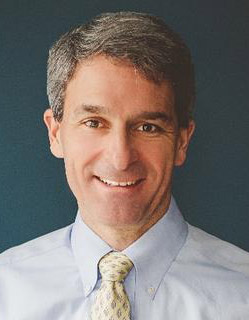
Ken Cuccinelli, Virginia's Attorney General, discusses the role of the states to protect individual liberty and push back against an expansive federal government, and his new book, "The Last Line of Defense: The New Fight for American Liberty."
01 March 2013
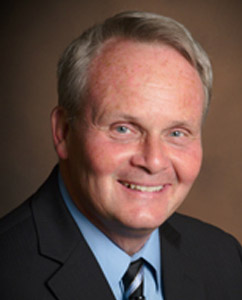
Larry Reed, president of the Foundation for Economic Education, discusses the foundations of liberty and free-market economics and the upcoming Freedom Academy scheduled for March 9th in Ft. Lauderdale, Florida, in collaboration with the Lou Church Educational Foundation, the James Madison Institute and AFP-Florida.
22 February 2013
Northwestern University Law Professor John McGinnis discusses his new book, "Accelerating Democracy: Transforming Governance through Technology," and how new information technologies and markets can influence political choices and enhance political decision making.
15 February 2013
National Security Specialist and Pepperdine University Law Professor Gregory McNeal analyzes the constitutional and privacy debates surrounding the domestic and international use of drones.
15 February 2013
Troy Senik, CFIF Fellow, Orange County Register Columnist and Ricochet Senior Editor, discusses how Senators Marco Rubio and Rand Paul are coming to represent differing views on the GOP's foreign policy posture and President Obama's State of the Union Address.
08 February 2013
Craig Shirley, historian, conservative commentator and author, discusses the state of the GOP, what went wrong with election 2012 and what the horizon looks like for election 2016.
01 February 2013
NRA Spokeswoman Jacqueline Otto discusses the efforts of gun-control advocates in Washington, DC, and the response by Second Amendment supporters, including many of the NRA's 4 million members.
01 February 2013
Patrick Louis Knudsen, senior budget expert at The Heritage Foundation, discusses the latest in the debt ceiling fight and what lies ahead for America in the next few months with the implementation of costly new ObamaCare policies, the $1.2 trillion sequestration deadline and other issues.
25 January 2013
Robert E. Norton, vice president for external affairs at the Lynde and Harry Bradley Foundation and former assistant general counsel at Chrysler, discusses why size matters when it comes to automobile safety and why it's wrong (and dangerous) for the government to force consumers into smaller vehicles to advance a politically driven environmental agenda.
25 January 2013
William Yeatman, Assistant Director of the Center for Energy and Environment at the Competitive Enterprise Institute, discusses the latest reports on climate change and the reactions of the global warming alarmists.
25 January 2013
Gregory Gwyn-Williams, Jr., blogger for CNSNews, discusses President Obama's anti-Second Amendment agenda, plans of a patriotic group to build an armed neighborhood fortress, ammunition shortages and increased gun sales.
25 January 2013
Pete Sepp, Executive Vice President of National Taxpayer's Union, discusses the various tax increases that kicked in January 1st, why the Fiscal Cliff still looms on the horizon for America, and what really needs to happen to avoid an economic disaster moving forward.
Scroll to load more
