




|
|
|







Load Newer Podcasts





06 January 2012
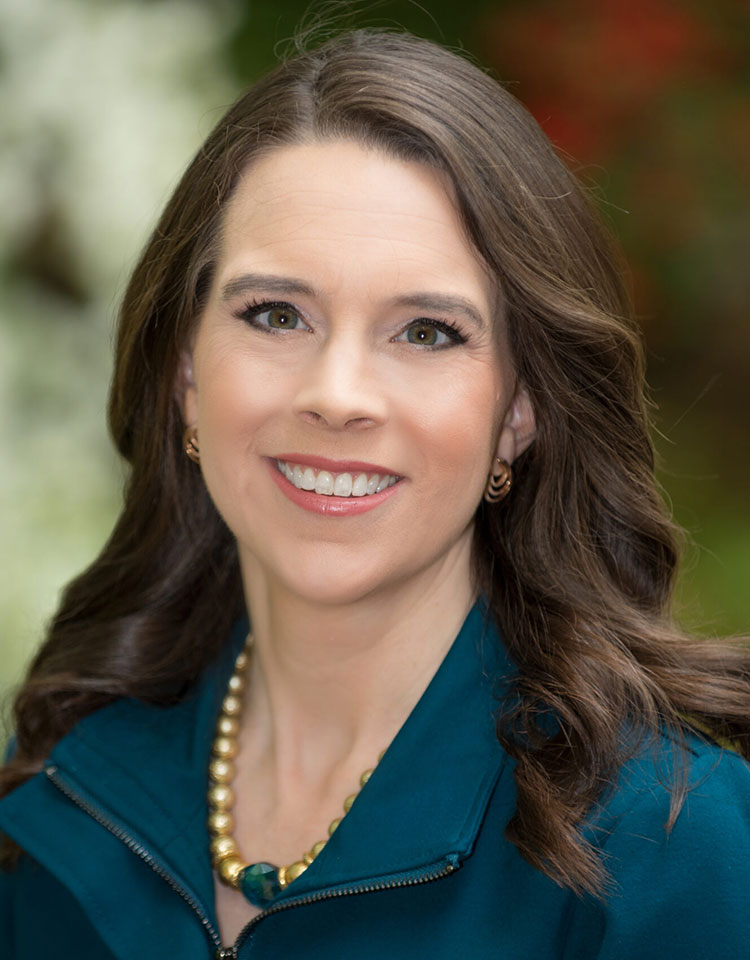
Catherine Engelbrecht, founder of True the Vote and King Street Patriots, discusses citizen-led efforts to restore truth and honesty to our elections, secure a fair playing field for candidates and defend the integrity of the 2012 elections.
30 December 2011
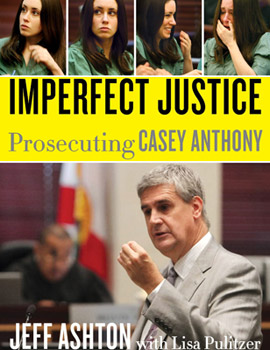
Jeff Ashton, Assistant State Attorney on the Casey Anthony trial, highlights what went on behind-the-scenes of the prosecution and shares his thoughts about what is right and wrong with the American judicial system, as he discusses his book, "Imperfect Justice: Prosecuting Casey Anthony."
22 December 2011
Bestselling book author Craig Shirley discusses the attack on Pearl Harbor and his latest book, "December 1941: 31 Days that Changed America and Saved the World."
16 December 2011
Thomas W. Hazlett, professor of law and economics at George Mason University and former chief economist of the FCC, discusses the ramifications of the recent Senate vote to reject an attempt to overturn the FCC's net neutrality rules and his recent Encounter Books Broadside titled, "The Fallacy of Net Neutrality."
09 December 2011
Carrie Severino, chief counsel and policy director to the Judicial Crisis Network, discusses why Justice Elena Kagan should recuse herself from any consideration of ObamaCare's constitutionality before the Supreme Court.
02 December 2011
CFIF Fellow Troy Senik discusses the failure of the Supercommittee and how and why the Republican primary field has shifted.
24 November 2011
Elizabeth Samson, visiting fellow at the Hudson Institute, discusses the use of law as a weapon of warfare and the increased need for economic and diplomatic isolation for Iran.
17 November 2011
Ken Blackwell, American Civil Rights Union Senior Fellow and contributing editor for Townhall.com, discusses the potential for an Israeli strike against Iran, the strengths and weaknesses of GOP presidential candidates and the U.S. Supreme Court's decision to review Obamacare.
10 November 2011
Daniel DiSalvo, a senior fellow at the Manhattan Institute's Center for State and Local Leadership, discusses his recently released Encounter Books' Broadside, "Government Unions and the Bankrupting of America."
03 November 2011
Richard Trzupek, a chemist, consultant and writer who has worked in the environmental industry for decades, discusses his recently released Encounter Broadside titled, "How the EPA's Green Tyranny is Stifling America."
28 October 2011
Troy Senik, former presidential speechwriter and Senior Fellow at CFIF, discusses the double standard applied by the media with respect to the Occupy Wall Street rallies versus the Tea Party movement, and the Obama Administration's double standard regarding presidential war powers.
21 October 2011
Tod Lindberg, Hoover Fellow and Editor-in Chief of the monthly journal "Policy Review," discusses U.S. policy toward regime change, military intervention and clandestine action, including the use of drones, to subvert a regime and the importance of examining cases on both sides of the ledger -- those in which the U.S. has intervened versus those in which it has decided against regime change.
14 October 2011
Timothy Lee, CFIF's Vice President of Legal and Public Affairs, discusses several of the high profile cases on the horizon in the new U.S. Supreme Court term and why the White House's cozy relationship with the unions undermines its Jobs Plan.
07 October 2011
Sally Pipes, President, CEO, and Taube Fellow in Health Care Studies at the Pacific Research Institute, discusses why the American Medical Association's support of Obamacare undermines its mission to "help doctors help patients" and what it may mean to the 2012 presidential race for the U.S. Supreme Court to issue a ruling this term on the health law.
30 September 2011
Jason Stverak, President of the Franklin Center for Government and Public Integrity, discusses how technology has made the line between citizen journalists and mainstream media less defined, and how citizen journalists are doing their part to hold government officials accountable to the people.
Scroll to load more
