




|
|
|











Load Newer Podcasts




31 March 2017
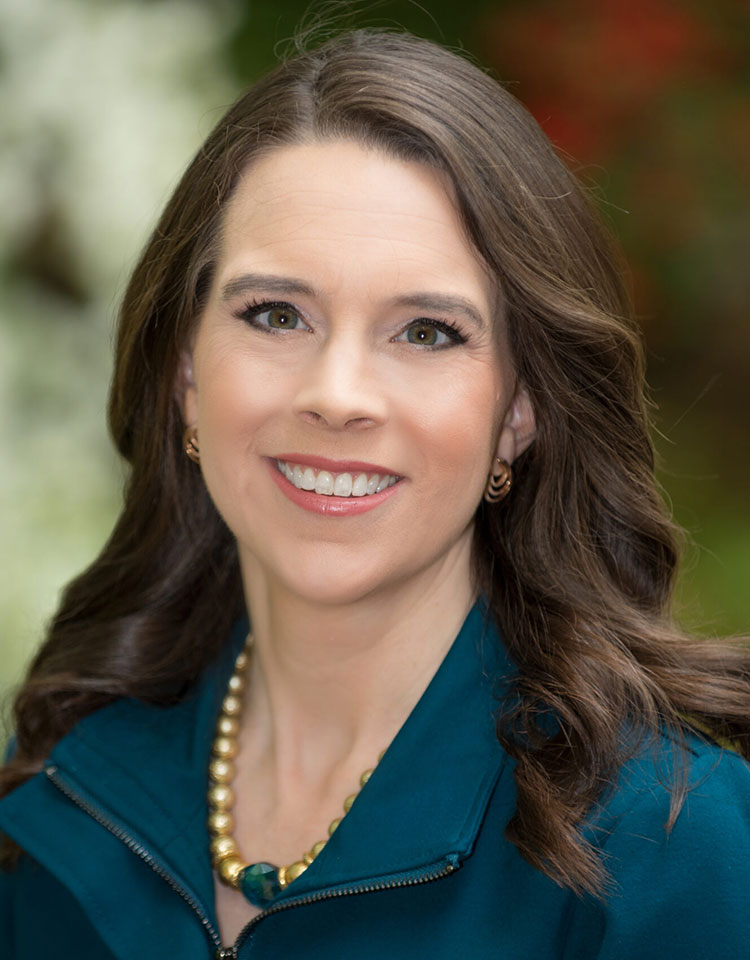
Carrie Severino, Chief Counsel and Policy Director of the Judicial Crisis Network, discusses what may happen next with respect to Judge Neil Gorsuch's nomination to the U.S. Supreme Court and the predictable political posturing of Senate Democrats.
30 March 2017
Timothy Lee, CFIF's Senior Vice President of Legal and Public Affairs, discusses the potential for the first overhaul of the tax code in three decades, the economic consequences of the border adjustment tax, and more.
24 March 2017
David Keating, President of the Center for Competitive Politics, discusses the recent U.S. Supreme Court order in Independence Institute v. FEC, which marked a sad day for the First Amendment and for the right to criticize government, and the dangers invasive disclosure requirements pose to Americans' First Amendment rights.
24 March 2017
David Schoenbrod, Policy Expert and Author, discusses the vicious cycle of grand promises and budget gimmicks by elected officials, how we can fix our broken government, and his latest book, "DC Confidential: Inside the Five Tricks of Washington."
24 March 2017
Tred Barta, Outdoorsman, Former Host of the Best and Worst of Tred Barta, and Author, discusses how commercial fishing and conservation can co-exist, how President Trump can stop the Obama attack on the American fishing industry, and his latest book, "Driven."
17 March 2017
Karlyn Bowman, Senior Fellow at the American Enterprise Institute, discusses AEI's latest political report covering public opinion on President Trump and his handling of foreign affairs, perceptions of America's place in the world and its relations with Russia, and how Americans feel about continued support for NATO.
17 March 2017
Sally Pipes, President, CEO and Thomas W. Smith Fellow in Health Care Policy at the Pacific Research Institute, discusses the Republican leadership's replacement plan for ObamaCare, its prognosis in the House and Senate, and the VA's beleaguered health system.
17 March 2017
Quin Hillyer, nationally recognized authority on the American political process, discusses why there is no good reason for angry Americans, why there is a need for investigative journalism, and why President Trump's budget proposal might just work.
10 March 2017
Steven Hayward, author and senior resident scholar at the Institute of Governmental Studies at UC Berkeley, discusses President Trump's relationship with the media, the intellectual, political and cultural upheaval that exists in politics today and his latest book, "Patriotism Is Not Enough: Harry Jaffa, Walter Berns, and the Arguments that Redefined American Conservatism."
10 March 2017
John Malcolm, Director of the Edwin Meese III Center for Legal and Judicial Studies and the Ed Gilbertson and Sherry Lindberg Gilbertson Senior Legal Fellow at The Heritage Foundation, discusses how the Senate is gearing up for its hearings with Judge Neil Gorsuch beginning on March 20th and then provides some insight into questions about Gorsuch's judicial philosophy.
03 March 2017
Phil Kerpen, President of American Commitment, discusses the need to repeal and replace ObamaCare, why the GOP must act fast and the role HHS Secretary Tom Price will play in the process.
03 March 2017
Michi Iljazi, Vice President of the Taxpayers Protection Alliance (TPA), discusses tax reform and disagreements that currently exist over specific provisions, and TPA's "Roadmap to Fiscal Sanity.”
03 March 2017
Timothy Lee, CFIF's Senior Vice President of Legal and Public Affairs, discusses the "mood" and happenings at this year's Conservative Political Action Conference (CPAC) and the latest news on the Second Amendment.
24 February 2017
Andrew Grossman, Partner in the Washington, D.C. office of Baker & Hostetler, discusses U.S. Supreme Court nominee Judge Neil Gorsuch, his legal opinions and the debate surrounding the proposed break-up of the Ninth Circuit Court of Appeals.
24 February 2017
Peter Cove, nationally-acclaimed advocate for private solutions to welfare dependency, discusses America's war on poverty, how the only means to reduce poverty is work itself, and his latest book, "Poor No More: Rethinking Dependency and the War on Poverty."
Scroll to load more
