




|
|
|








Load Newer Podcasts





14 August 2015
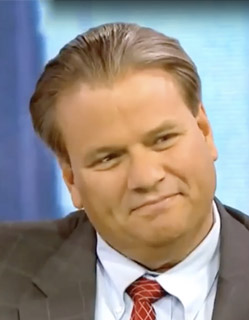
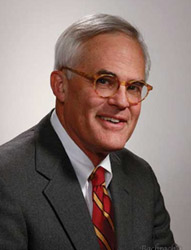
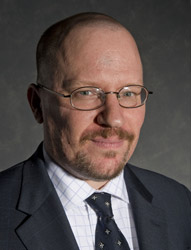
Troy Senik, CFIF Fellow, Editor-in-Chief at Ricochet and former speechwriter for President George W. Bush, discusses the polarization of our nation and the real disjuncture in America: the urban-rural divide.
07 August 2015
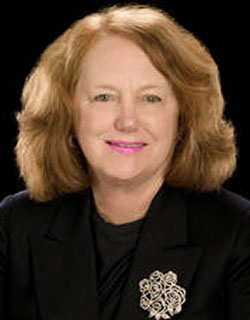
David Williams, President of the Taxpayers Protection Alliance, discusses the impact of government solar subsidies on taxpayers and consumers, and the comparisons between big solar financing schemes and the housing meltdown.
07 August 2015
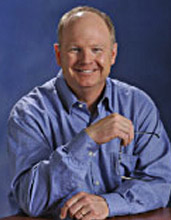
Garland S. Tucker III, author and historian, discusses his latest book, "Conservative Heroes: Fourteen Leaders Who Shaped America, From Jefferson to Reagan."
31 July 2015
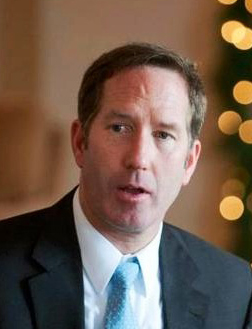
Tzvi Kahn, Senior Policy Analyst for the Foreign Policy Initiative, discusses the Iran nuclear deal and its implications for U.S. foreign policy and the Middle East.
31 July 2015
Sarah Westwood, Investigative Reporter for The Washington Examiner, provides an update on the Hillary email scandal, and discusses the upcoming GOP debate and the 2016 presidential candidates.
31 July 2015
Ben Boychuk, CFIF's Contributing Writer and a Syndicated Columnist, discusses school choice, No Child Left Behind, and professors who want to rewrite the First Amendment.
24 July 2015
Sally Pipes, President, CEO and Thomas W. Smith Fellow in Health Care Policy at the Pacific Research Institute, discusses how to win the ObamaCare war after losing the battle in court and why Americans will pay more for health insurance in the wake of the Supreme Court's decision.
24 July 2015
Bob Dorigo Jones, Senior Fellow for the Center for America, discusses lawsuit abuse, the need for tort reform and the finalists in the 18th Annual Wacky Warning Labels Contest, the winners of which will be announced Friday, July 24, 2015, on John Stossel's show on FOX Business News.
17 July 2015
CFIF Senior Vice President of Legal and Public Affairs Timothy Lee discusses why Puerto Rico's municipalities and public entities should not be granted a Chapter 9 bankruptcy bailout and why a Congressional control board is a better answer.
17 July 2015
Logan Beirne, Lecturer in Law and Fellow at Yale Law Schools, discusses the Treasury Department's seizure of Fannie Mae's and Freddie Mac's net profits and why the "Net Worth Sweep" violates the rule of law.
17 July 2015
James M. Roberts, Research Fellow for Economic Freedom and Growth at The Heritage Foundation, discusses Greece's third bailout in five years and the wrong signal it sends to countries like Italy, Spain and Portugal, and what America can learn from this tragedy.
10 July 2015
Sarah Westwood, an investigative reporter for The Washington Examiner, discusses issues relating to Hillary Clinton's e-mails and private server, what we learned from the Blumenthal e-mails, the Clinton campaign push-back over the Benghazi probe and the composition of the Clinton "charity."
10 July 2015
Ambassador Francis Rooney, former U.S. Ambassador to the Holy See, discusses Pope Francis' latest encyclical, why the Pope should not get involved in divisive and contested political issues like climate policy, and why the climate change debate should not be couched as rich countries versus poor countries.
03 July 2015
Megan Brown, Partner in the Washington, DC, office of Wiley Rein LLP, discusses some of the decisions from the just-completed October 2014 term of the U.S. Supreme Court -- particularly cases relating to free speech and regulatory authority -- potential certiorari grants for next term, and the likelihood of any retirements from the High Court.
03 July 2015
Brandon Arnold, Executive Vice President of the National Taxpayers Union, discusses the passage of the Trade Promotion Authority (TPA), its potential to reduce government burdens on trade and create more opportunity for America to lead internationally, and how the TPA is a much-needed tool for expanding market access and economic freedom.
Scroll to load more
