



|
|
|











| Californians Don’t Need More Democracy, Just Leadership |
 |
|
By Ashton Ellis
Wednesday, March 09 2011 |
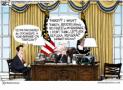
Democratic Governor Jerry Brown’s plan to balance California’s budget through tax increases is based on a familiar – and flawed – theme: Let the people decide. The lynchpin of Brown’s proposal is to let voters choose whether to extend expiring tax increases for an additional five years. On its face, the pitch looks like an appeal to popular sovereignty. In reality, it is a smokescreen to neutralize Republican opposition and tilt the budget debate in favor of big-spending special-interest groups. There are two steps to Governor Brown’s budget-balancing act. The first is to cut $12 billion permanently from the budget. The second is to extend expiring sales, income and vehicle tax increases for five years, some of which would net $14 billion by the end of 2012. Added together, the two steps close the roughly $26 billion budget deficit. Unfortunately for Brown – but thankfully for taxpayers – the vast majority of Republicans in both the Assembly and Senate refuse to go along with any tax increases. The argument supporting this stance rests on this reality: California takes in more revenue than ever before, but it always spends more than it has. According to Republicans, the problem isn’t revenue; it’s spending. However, there remain a handful of GOP members in each chamber willing to cut a deal with Brown and the Democratic majority, if the price is right. (The California Constitution requires two-thirds of each house to approve tax increases, leaving Democrats in need of two Republican votes in each chamber to raise taxes.) In an interesting twist, Brown isn’t asking lawmakers to approve extending the tax increases themselves. Instead, he wants them to allow the issue to be decided by California voters at a June special election. For that, Brown still needs a couple of Republican legislators in each chamber to vote with the Democrats in order to meet the two-thirds requirement. At first blush, Brown’s pitch probably sounds appealing to many lawmakers. Not only does it relieve elected officials of the responsibility to make a tough decision on taxes, it lets them claim the abdication of duty is really an elevation of the people. Brown is encouraging this rhetorical smokescreen. During a recent question-and-answer period with the state’s community college industry, Brown instructed the audience to demand their right to be heard. “If you know any Republicans, tell them that he or she should vote to give the people a voice,” the governor pleaded. But Brown doesn’t really want to listen to the people. He wants them to approve his message of more taxes for less government. His proposal to “give the people a voice” at a June special election rings hollow because of the sway of special interests on such ballot issues. Approving a special election would empower public employee unions and every other liberal special interest group to pour millions of dollars into campaign ads. If allowed to happen, expect to see California’s air and radio waves bombarded with attacks distorting the budget crisis into a referendum on everything except fiscal sanity. Less than six months ago, millions of Californians voted into office people empowered to make the tough decisions. Every day on the floor of the Assembly and Senate, members are paid a full-time salary to study, debate and vote on the issues facing California. They are the voice of the people. Like his idea to extend tax increases for another half decade, Brown’s proposed special election is a waste of time and money. The people of California don’t need more direct democracy. They need more elected representatives willing to stand on principle to get state spending under control for the long haul. |

Related Articles : |
