




|
|
|








Load Newer Podcasts






21 November 2014
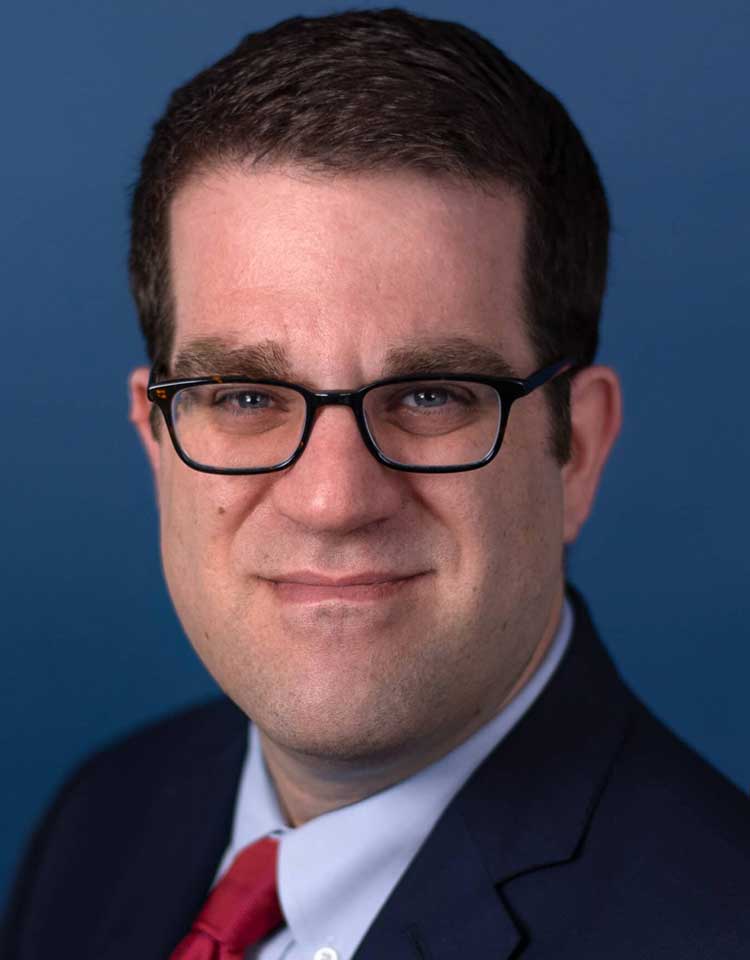
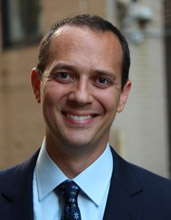
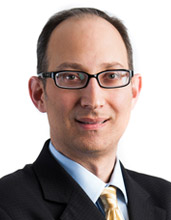
David Adesnik, Fellow at the Foreign Policy Initiative, discusses whether Congress will launch an attack on President Obama's unpopular foreign policy, where we are now in combating ISIS, Iran's role in Iraq and Syria, rebuilding the U.S. military and President Obama's trip to Asia.
14 November 2014
Mark Krikorian, Executive Director of the Center for Immigration Studies, discusses President Obama's refusal to wait for Congress to act on immigration, why proposed executive action presents a separation of powers issue, and what legal challenges and other remedies may await the Executive action.
14 November 2014
Phil Kerpen, President of American Commitment, discusses the Supreme Court's decision to grant cert in the ObamaCare subsidies case, how a key architect of ObamaCare made news recently by boasting about taking advantage of "the stupidity of the American voter," and what's wrong with President Obama's intervention in the FCC's plans to regulate the Internet.
14 November 2014
Troy Senik, CFIF Senior Fellow, Senior Editor for Ricochet and Columnist for The Orange County Register, discusses the midterm election results, what we might expect for the next two years from a conservative Congress and a liberal president, and the shift in focus to the presidential race to come in 2016.
07 November 2014
Mike Wendy, founder of Media Freedom, describes what is at stake should the Federal Communications Commission move forward with a plan to regulate the Internet as a public utility, why the FCC should not be allowed to expand its control over the Internet, and why Net Neutrality will violate our First Amendment freedoms.
07 November 2014
Jonathan Last, nationally renowned journalist and author and senior writer at The Weekly Standard, discusses his latest project, "The Seven Deadly Virtues," in which he led an all-star team of 18 conservative writers (including PJ O'Rourke, Christopher Buckley, Jonah Goldberg and Andrew Ferguson) in a hilarious remix of the "Book of Virtues".
31 October 2014
Sally Pipes, President and the Taube Fellow in Health Care Studies at the Pacific Research Institute, discusses how the nightmare continues with the second open enrollment season for ObamaCare commencing November 15th, days after the mid-term elections, and why ObamaCaremay be on shaky ground as court battles loom.
31 October 2014
David Williams, President of the Taxpayers Protection Alliance ("TPA"), discusses TPA's 2014 Taxpayer Trick or Treat list, which identifies plenty for taxpayers to be afraid of this year -- from earmarks to subsidies and postal grocery services, and even a few things for us to smile about.
31 October 2014
Steven Bucci, Director of the Douglas and Sarah Allison Center for Foreign and National Security Policy at The Heritage Foundation, discusses the growing threat of lone-wolf terror attacks and the Pentagon's new Ebola domestic response team.
24 October 2014
Chris Edwards, Director of Tax Policy Studies at Cato Institute and Editor of DownsizingGovernment.org, discusses the 2014 fiscal policy report card on America's Governors and how state and local taxes harm America's competitiveness.
24 October 2014
Richard Morrison, Program Manager for the Competitive Enterprise Institute's Center for Advancing Capitalism, discusses the Consumer Product Safety Commission's drive to require every product in the world to be safe enough for children and the mounting legal costs for companies and their founders when the federal government decides to go after them for selling products made for adults but used by children, despite warning labels.
17 October 2014
Tevi Troy, an adjunct fellow at Hudson Institute, President of American Health Policy Institute, and former Deputy Secretary of the U.S. Department of Health and Human Services, discusses whether America is unprepared to fight Ebola on its shores and whether the U.S. health care system is capable of controlling the spread of the deadly disease before it becomes a global pandemic.
17 October 2014
Megan L. Brown, partner in Washington, D.C., office of Wiley Rein LLP, discusses the U.S. Supreme Court's 2014 term, the "hot" cases currently on the docket and what issues might come before the Court later in the term.
17 October 2014
Charles C. Johnson, researcher, journalist and author, discusses Ebola as a national security threat, other current events and his book, "Why Coolidge Matters: Leadership Lessons from America's Most Underrated President".
03 October 2014
Steven Bucci, Director at the Douglas and Sarah Allison Center for Foreign and National Security Policy at The Heritage Foundation, discusses U.S. attempts to build a coalition to defeat ISIS, whether ground troops are necessary to destroy the terrorist organization and President Obama's UN Security Council presence.
Scroll to load more
