




|
|
|
















Load Newer Podcasts










21 January 2022
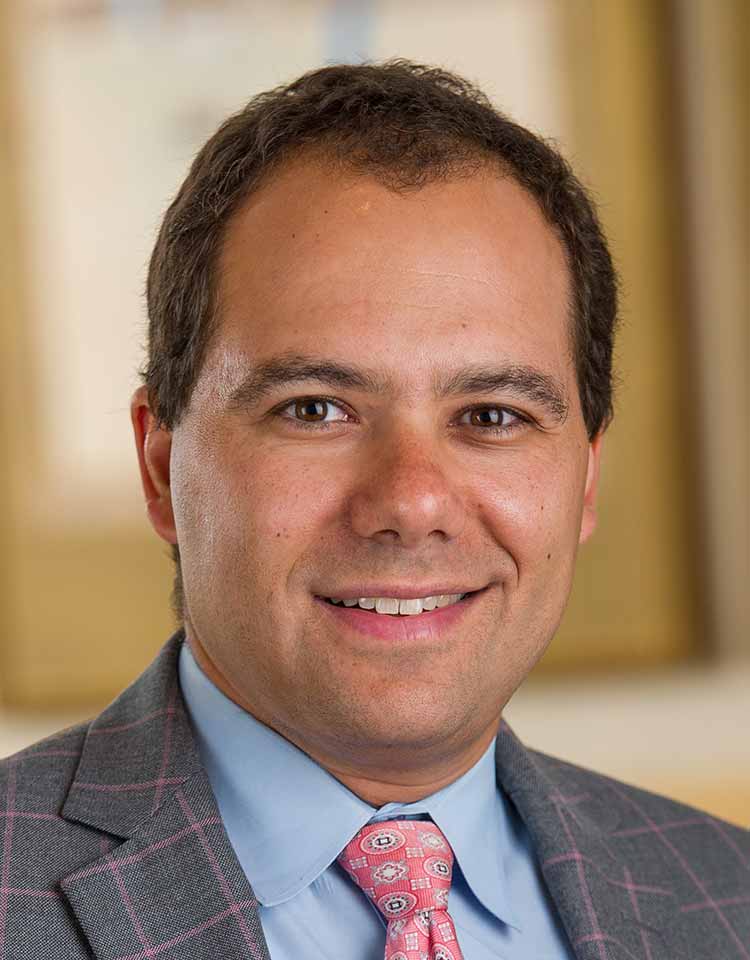
Hans von Spakovsky, Manager of the Election Law Reform Initiative and Senior Legal Fellow of the Meese Center for Legal and Judicial Studies at The Heritage Foundation, discusses the ten worst provisions in the Biden-Schumer Voting Rights bills.
13 January 2022
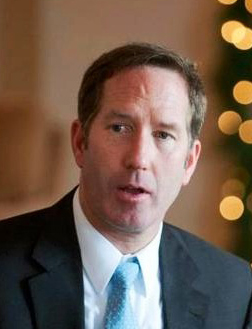
Ilya Shapiro, Vice President and Director of the Robert A. Levy Center for Constitutional Studies at the Cato Institute, discusses recent oral arguments before the U.S. Supreme Court regarding OSHA's federal vaccine mandate, and other major cases currently before the Court, including those related to gun rights and challenges to administrative agency authority, a potential case regarding college admissions, and the likelihood of a Justice Breyer retirement at the end of the current term.
07 January 2022
Timothy Lee, CFIF's Senior Vice President of Legal and Public Affairs, discusses 5G and airline safety, how nearly 40 countries use 5G with no negative impact, and how the Federal Aviation Administration's obstruction of domestic 5G rollout could harm America's leadership position and thwart innovation.
16 December 2021
Adam Tyner, Associate Director of Research at the Thomas B. Fordham Institute, discusses Fordham's recently released report, America's Best and Worst Metro Areas for School Quality, which examines the true effectiveness of schools at teaching students rather than basing school quality just on SAT scores or graduation rates.
10 December 2021
Christopher Bedford, Senior Editor at the Federalist, Chief Communications Officer at Right Forge, Vice Chairman of Young Americans for Freedom and National Journalism Center Board Member, discusses the nomination of Gigi Sohn to serve as a commissioner on the Federal Communication Commission (FCC), how her confirmation could supercharge internet and telecommunications regulation and result in decreased innovation and the trampling of First Amendment and intellectual property rights.
03 December 2021
Phil Kerpen, Founder and President of American Commitment, discusses how drug price controls would hurt seniors as they would reduce access to and undermine research and development in life-saving biopharmaceuticals, and why the Build Back Better Act under consideration in Congress is riddled with other disastrous provisions.
19 November 2021
Sally Pipes, President, CEO and Thomas W. Smith Fellow in Health Care Policy at the Pacific Research Institute, discusses the Build Back Better proposal, missteps by the Biden Administration with respect to vaccine policies, and the ongoing evidence as to why government should not run healthcare in America.
12 November 2021
William J. Conti, Partner in the Washington, D.C., Office of Baker & Hostetler, discusses the forces driving American politics, takeaways from the recent Virginia and New Jersey elections, what the upcoming 2022 Congressional elections might look like, and why neither side of the aisle should pop the cork yet for the 2024 elections.
04 November 2021
In an interview with CFIF, Dr. Kathleen Brown, a dermatologist and health care policy activist, discusses Democrats' social plan, its potential impact on healthcare services to patients, and how it would result in the biggest expansion of government interference in health care in decades.
28 October 2021
Leslie Ford, Visiting Fellow in Domestic Policy Studies at The Heritage Foundation, discusses the negative impact of workless safety-net benefits, why President Biden needs to remember the history of the bipartisan law requiring work as a basis for welfare, and how the child tax credit should not be a monthly child allowance.
21 October 2021
Tzvi Kahn, Research Fellow with the Foundation for Defense of Democracies, discusses Iran’s request to have $10 billion in assets unfrozen as a goodwill gesture before Tehran resumes negotiations on its nuclear program, and why it’s a bad idea.
14 October 2021
Timothy Lee, CFIF's Senior Vice President for Legal and Public Affairs, discusses the outrageous push by President Biden and some in Congress to subsidize government-owned broadband networks, and a look at how inflation is outpacing American workers’ paycheck gains.
05 October 2021
Ilya Shapiro, a Vice President at the Cato Institute and Director at the Robert A. Levy Center for Constitutional Studies, discusses the opening of the U.S. Supreme Court’s October 2021 term, what the Court’s first in-person (since March 2020) arguments looked like, and some of the hot button cases on the docket thus far, including gun rights, school vouchers and a First Amendment sign case, and more.
30 September 2021
Phil Kerpen, President of American Commitment, discusses President Biden’s devastating “double” death tax proposal, its potential impact on family businesses and jobs, and why a capital gains tax above 28% would actually lose the government revenue.
24 September 2021
Isabelle Morales, Policy Communications Specialist at Americans for Tax Reform, discusses President Biden’s proposal to empower the IRS to monitor all transactions of $600 or more in and out of private bank accounts, including Venmo, PayPal and CashApp accounts, and the privacy concerns surrounding the proposal.
Scroll to load more
