




|
|
|













Load Newer Podcasts








17 September 2021
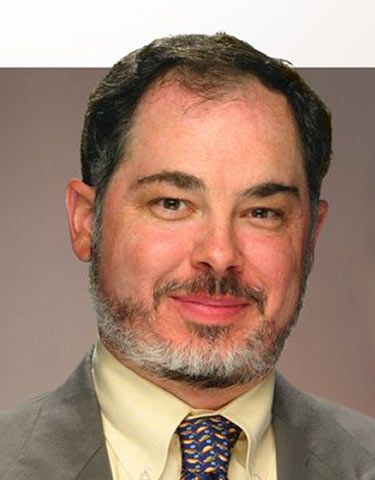
William J. Conti, Partner in the Washington, D.C., Office of Baker & Hostetler, discusses President Biden's and Vice President Kamala Harris' poll numbers, and what they might mean for midterm and 2024 elections.
09 September 2021
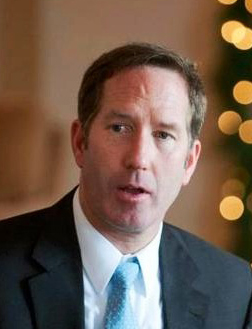
Quin Hillyer, columnist at the Washington Examiner, discusses why the United States did not have to pull out of Afghanistan, how the polls dictated President Biden’s decision to ignore the Afghanistan Study Group, a congressionally created commission, and what this decision may mean in the future.
27 August 2021
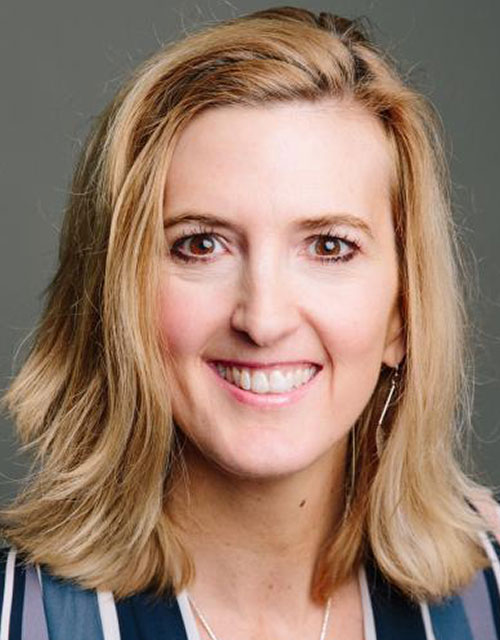
Sally Pipes, President, CEO and Thomas W. Smith Fellow in Health Care Policy at the Pacific Research Institute, discusses the immense burden on taxpayers of the Democratic effort to expand government subsidies in healthcare, why the subsidies have been a poorly targeted failure, and why Medicare expansion is another disastrous idea under discussion.
20 August 2021
Dakota L. Wood, Senior Research Fellow for Defense Programs at The Heritage Foundation and former U.S. Marine who served two decades, including during Operation Enduring Freedom, discusses the implications of the precipitous withdrawal of troops from Afghanistan, what it means for our allies and Afghan women, how it is perceived by other terror groups and China, and how President Biden ignored the advice of military experts.
13 August 2021
Timothy Lee, Senior Vice President of Legal and Public Affairs, explains the pitfalls of the Joint Employer Rule, how it expands the field of liability and introduces chaos, and why Congress should pass the proposed Save Local Business Act to preserve the existing common-sense labor law and protect employers.
06 August 2021
Amber Northern, Ph.D., Senior Vice President for Research at the Thomas B. Fordham Institute, discusses the quality of K-12 civics teachings, the policy fixes needed, and the recently released report, "The State of the State Standards for Civics and U.S. History in 2021."
30 July 2021
Phil Kerpen, President of American Commitment, discusses how America's private broadband infrastructure should serve as a model to bring more private management and investment to other types of infrastructure, and how the Biden Administration's idea of massively funding a government takeover of broadband will lead to unsustainable, unreliable and costly services while disincentivizing private investment and innovation.
23 July 2021
Lee Goodman, Partner in the Washington, D.C., law office of Wiley, discusses the U.S. Supreme Court's recent ruling regarding the facial challenge to California's compulsory disclosure requirement of the names and other personal information of donors to non-profit organizations, broad First Amendment protection applied in the case, and what the 6-3 decision may mean in other states with similar requirements.
16 July 2021
Dr. Tony Dale, a British physician who immigrated to the U.S. in 1987 and is the founder of Sedera.com, discusses the innovative organization that provides a medical cost sharing community to help businesses and individuals handle larger medical costs, how a free market healthcare system promotes easier access, higher quality and lower costs, and his soon-to-be released book, "The Cure for Healthcare: An Old-World Physician's Prescription for the New-World Health System."
08 July 2021
William J. Conti, a Partner in the Washington, D.C., office of Baker & Hostetler, discusses some of the biggest cases decided in the final days of the U.S. Supreme Court's current term, including one rejecting the NCAA's limits for athletes, another ruling that a Pennsylvania school district overstepped its authority by punishing a high school student for off-campus speech, and a third case dealing a victory for donor privacy.
25 June 2021
David Keating, President of the Institute for Free Speech, discusses how donor disclosure chills free speech, the recent IRS leaks of private taxpayer information, and Americans for Prosperity Foundation v. Rodriquez, the current donor privacy case before the U.S. Supreme Court.
18 June 2021
Ilya Shapiro, Vice President of the Cato Institute and Director of the Robert A. Levy Center for Constitutional Studies, discusses the U.S. Supreme Court's current caseload compared to other years, increased unanimity on the Court, some of the biggest cases already decided and yet to be decided, and whether to expect a retirement announcement in the coming weeks.
10 June 2021
Timothy Lee, CFIF's Senior Vice President of Legal and Public Affairs, debunks some anti-patent myths, and discusses the importance of protecting intellectual property rights in the U.S., and how strong patent protections ensure continued innovation.
04 June 2021
Katie Tubb, Senior Policy Analyst for the Thomas A. Roe Institute for Economic Policy Studies at The Heritage Foundation, discusses why it’s time for climate realism when it comes to China, President Biden’s hypocrisy on Keystone XL versus Nord Stream 2 pipelines, and actions the U.S. must take in the wake of the Colonial Pipeline crisis.
28 May 2021
Phil Kerpen, President of American Commitment, discusses the role teachers unions played in dictating education policy in the wake of the COVID-19 pandemic, how they kept kids out of schools, and the lessons learned by parents regarding alternatives to government-run schools.
Scroll to load more
