




|
|
|


















Load Newer Podcasts










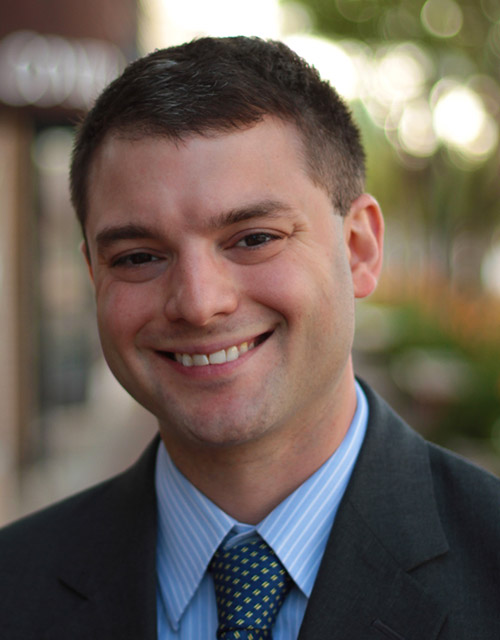

17 September 2020
Sally Pipes, President, CEO and Thomas W. Smith Fellow in Health Care Policy at the Pacific Research Institute, discusses President Trump’s recent executive order regarding drug pricing, how importing foreign drug price controls could curtail innovation and limit access to the newest drugs, and why the timing of such a policy is wrong amid the ongoing COVID-19 pandemic.
11 September 2020
Phil Kerpen, President of American Commitment, discusses why COVID testing is failing, the value of making paper antigen tests readily available for use, and why it is beyond time for the FDA to get on board with at-home testing.
31 August 2020
Daniel Di Martino, a Venezuelan freedom activist, economist and speaker, discusses how socialism destroyed his homeland, the importance of property rights, and the why the Trump Administration must reverse course and support Crystallex's legal rights to compensation following the Venezuelan government's seizure of its property.
28 August 2020
William Conti, a partner at Baker & Hostetler LLP, discusses the latest polling numbers, Joe Biden's pick of Kamala Harris as his running mate, her record as a prosecutor and as a senator, and the election's potential impact to the economy.
21 August 2020
Ross Marchand, Vice President of Policy at the Taxpayers Protection Alliance, discusses House Speaker Nancy Pelosi's grandstanding on the United State Postal Service and the spreading of false information about the USPS for political gain.
14 August 2020
Timothy Lee, Senior Vice President of Legal and Public Affairs at the Center for Individual Freedom, discusses President Trump's executive orders on drug pricing and the negative consequences of government price controls on innovation and to consumers.
14 August 2020
Hayley Boling, Research Assistant in Education Policy at the American Enterprise Institute, discusses the "lay of the land" as it stands now with schools, whether there is a one-size-fits all approach to back to school, teachers' unions, and more.
07 August 2020
Shaun Flanagan, Director of the Centre for Metrics at the Legatum Institute, discusses the "2020 United States Prosperity Index," how America can emerge even more prosperous in a post-COVID world, why northern states are outperforming southern states, and why the U.S. chronically underperforms in areas of safety & security, health and living conditions.
24 July 2020
Jonathan Butcher, Senior Policy Analyst for the Center for Education Policy at The Heritage Foundation, discusses the importance of allowing local school districts to determine options for education this fall, how there is not a one-size-fits all solution in education, and why emergency education savings accounts should be available to families in all states.
24 July 2020
Dr. John Lott, President and Founder of the Crime Prevention Research Center, discusses his latest book, "Gun Control Myths: How Politicians, the Media, and Botched 'Studies' have Twisted the Facts on Gun Control."
17 July 2020
James Burling, Vice President of Legal Affairs at Pacific Legal Foundation, discusses important decisions from this year's U.S. Supreme Court term, how Chief Justice Roberts has taken over Justice Kennedy's role as the swing vote, what to expect from the remaining cases and what lies ahead next term.
17 July 2020
Michael Petrilli, President of the Thomas B. Fordham Institute, discusses how income often depends on "where you live" and not just educational attainment, and how schools are doing in the face of the COVID pandemic.
10 July 2020
Dr. Josh Umbehr, Founder of Atlas MD, discusses concierge medicine, Right to Try legislation and the streamlining of state and federal bureaucracies during the COVID-19 pandemic.
26 June 2020
Kyle Pomerleau, Resident Fellow at the American Enterprise Institute, discusses his recent report, "An Analysis of Joe Biden's Tax Proposals," the impact the proposals would have on individual households and businesses, and how they violate Biden's own tax pledges.
19 June 2020
Vincent Vernuccio, Senior Fellow of Labor Policy for the Mackinac Center's National Workers Opportunity Initiative, discusses three ways to keep money in the hands of more workers who need it now: bar unions from collecting dues from unemployment members, give public employees a fresh choice and apply the Janus decision to private sector union jobs.
Scroll to load more
