




|
|
|














Load Newer Podcasts










12 September 2025
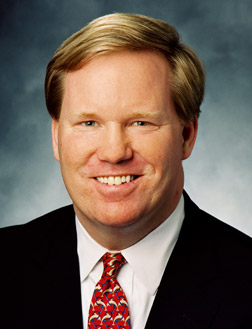
David Keating, President of the Institute for Free Speech, discuses IFS' recently released report titled, “Anti-SLAPP Statutes: 2025 Report Card,” what protections these laws afford, and why they are important in combating meritless, speech-suppressing lawsuits.
05 September 2025
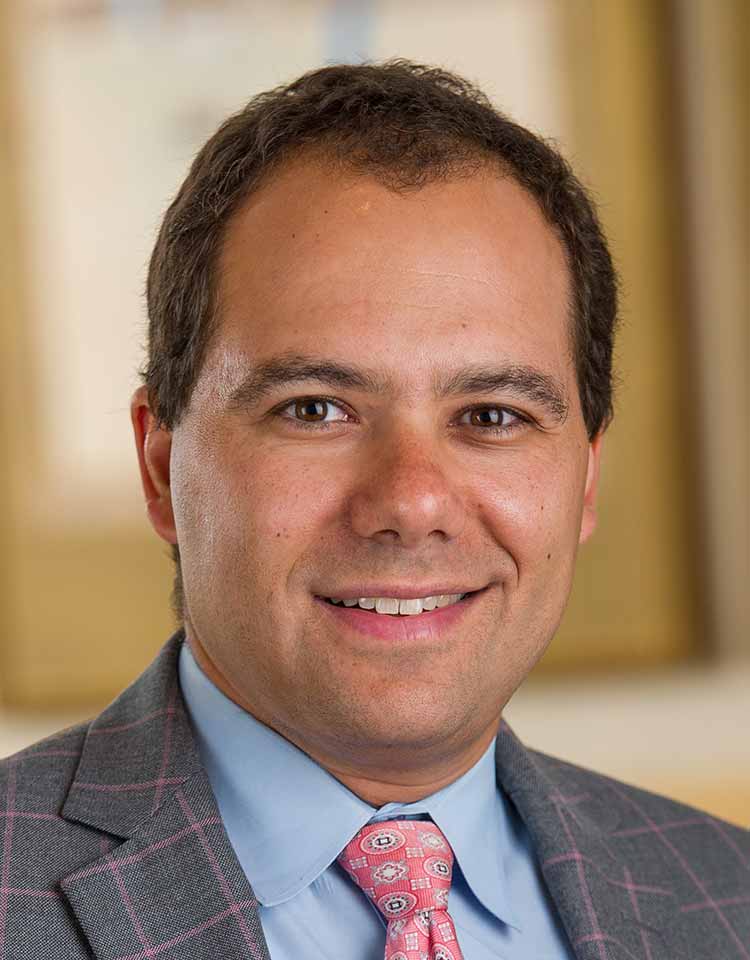
Demian Brady, Vice President of Research at the National Taxpayers Union Foundation, discusses proposed legislation that would cap pensions, limit expense allowances and cut perks for wealthy ex-presidents, saving taxpayers millions of dollars each year.
21 August 2025
Phil Kerpen, President of American Commitment, discusses the current state of the U.S. economy, the outlook for economic growth, what the future looks like for energy prices and regulation, and what impact tariffs may have on the economy.
12 August 2025
Michael O’Neill, Vice President of Legal Affairs at the Landmark Legal Foundation, discusses the precedent and legal authority for President Trump’s initiative to restore safety in our nation’s capital city by temporarily asserting federal control over the Washington, DC police department, and what steps Congress should take next to reverse the slow degradation of the quality of life in DC.
08 August 2025
William J. Conti, an attorney from Washington, DC, discusses President Joe Biden’s legacy, the scandal surrounding the use of an auto-pen during the final days of his presidency, and what may or may not be happening in the closed-door Congressional hearings regarding Biden's mental acuity.
31 July 2025
Sherman “Tiger” Joyce, President of the American Tort Reform Association, discusses the recently announced Congressional investigation into “climate fellows” being embedded into state AG offices and allegedly paid for by billionaire Michael Bloomberg, and how such offensive actions infringe on the other parts of government.
25 July 2025
Sally Pipes, Founder, CEO and President of the Pacific Research Institute, discusses the biggest healthcare takeaways from a numbers perspective in the recently enacted “Big Beautiful Bill,” how cheap drugs from Canada can’t make America healthy, and the real culprit impeding drug competition.
17 July 2025
Ilya Shapiro, Senior Fellow and Director of Constitutional Studies at the Manhattan Institute, discusses the notable decisions rounding out the end of the U.S. Supreme Court’s term and the odds of a Supreme Court justice retirement during President Trump’s second term.
10 July 2025
Timothy Lee, CFIF’s Senior Vice President of Legal and Public Affairs, discusses the first six months of President Trump’s second term, from the economy to jobs, the stock market, deregulation, trade policy, and more.
26 June 2025
Thomas Aiello, Senior Director of Government Affairs at the National Taxpayers Union, discusses the uphill battle President Trump’s “Big Beautiful Bill” is facing on Capitol Hill, the looming July 4th deadline, and how the battle in the Senate may ultimately result in improvements to the House version of the bill.
17 June 2025
Tzvi Kahn, Research Fellow and Senior Editor at the Foundation for Defense of Democracies, discusses the latest information on the growing escalation of the campaign involving Israel and Iran, the ever-evolving role of the United States, why any offer to negotiate from Iran is a “trap,” and more.
13 June 2025
Wayne Crews, the Fred L. Smith Fellow in Regulatory Studies at the Competitive Enterprise Institute, discusses the recently released "Ten Thousand Commandments: An Annual Snapshot of the Federal Regulatory State,” how Congress is disregarding its enumerated powers, and the role of DOGE to commence deconstruction of the administrative state.
06 June 2025
Phil Kerpen, President of American Commitment and Principal at the Committee to Unleash Prosperity, discuses the potential victories and disappointments in the current version of President Trump’s “big, beautiful bill,” the players to watch as the bill makes its way through the Senate, the recent analysis from the Congressional Budget Office (CBO), and other administration efforts underway to decrease the deficit and enhance growth.
30 May 2025
Sherman “Tiger” Joyce, President of the American Tort Reform Association, discusses the latest MAHA Report and how it could be used as ammunition by the trial bar in mass tort litigation, and recently introduced legislation by Senator Thom Tillis (R-NC) regarding third-party litigation funding, the “Tackling Predatory Litigation Funding Act.”
16 May 2025
William J. Conti, an attorney from Washington, DC, discusses the size and complexity of the “Big Beautiful Bill” that addresses tax policy, energy policy and immigration, and the economic potential impact of passing the REINS Act.
Scroll to load more
