




|
|
|


















Load Newer Podcasts











18 April 2024
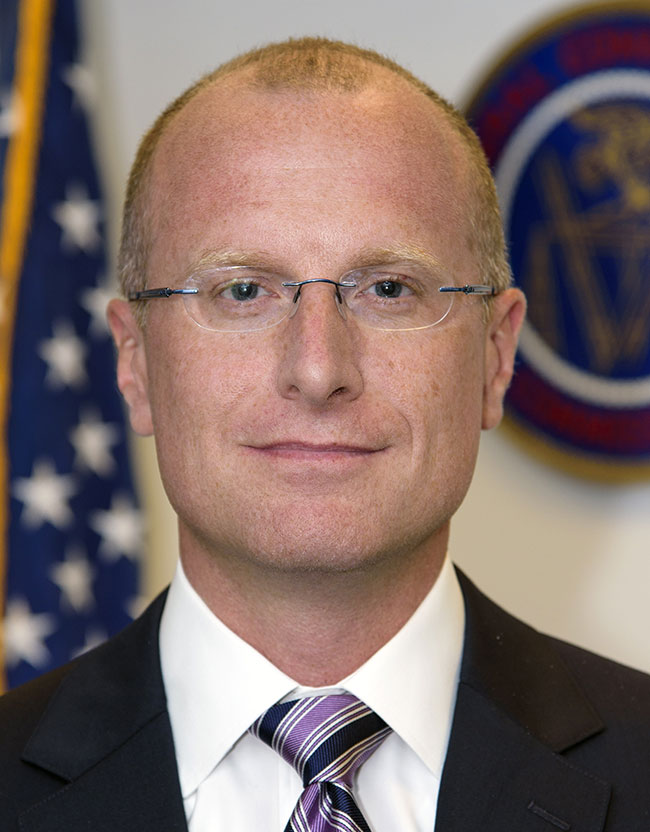
Federal Communications Commission (FCC) Commissioner Brendan Carr discusses the FCC's upcoming vote on a rule that will subject the internet to crippling, utility-style regulatory powers under Title II of the Communications Act of 1934, the myths and facts surrounding "net neutrality," and how this massive expansion of government power over the internet is unnecessary at a time when Americans are experiencing lower prices, faster speeds, increased competition, and accelerated infrastructure build-outs.
18 April 2024
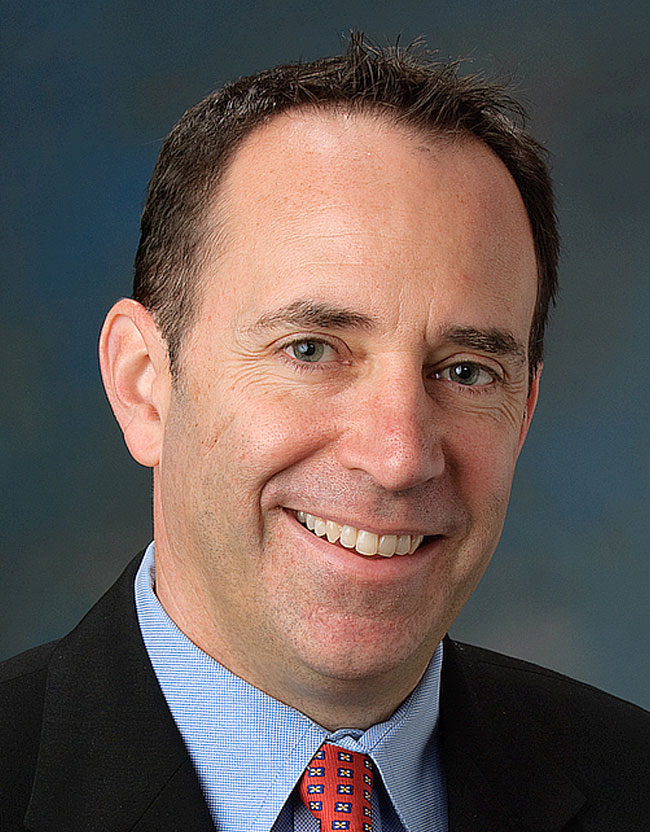
Ike Brannon, Economist, President of Capital Policy Analytics and a Senior Fellow at the Jack Kemp Foundation, discusses the proposed acquisition of U.S. Steel by Nippon Steel, why the merger would not undermine national security as some opponents claim, how it will keep jobs in the U.S., and what history should teach us about the impact on government overreach and restraints on foreign investments.
12 April 2024
Timothy Lee, CFIF's Senior Vice President of Legal and Public Affairs, discusses the FCC's plan to reinstate crippling utility-style Title II regulations on the Internet, and how further expansion of government power over the Internet could result in less innovation, censorship, and higher costs for consumers.
04 April 2024
Doug Kelly, CEO of American Edge Project ("AEP"), discusses AEP's recently released study, "American Innovation Under Siege: Venture Capital Data Reveals Risks from Rising Global Regulatory Overreach," how heavy-handed regulations negatively impact innovation, jobs and U.S. military readiness, and what recommendations the study offers on how the U.S. can win the innovation race against China.
22 March 2024
Dr. Currie Myers, Former Sheriff and Law Enforcement Officer and now Professor at Benedictine College, discusses the inaccurate and misleading crime statistics from President Biden's recent State of the Union Address, the role that crime and the fear of crime will play in the upcoming presidential election, how crime is being underreported in America, and what needs to be done at the state, local and federal level to make America safer.
01 March 2024
Sally Pipes, President and CEO at the Pacific Research Institute, discusses how President Biden's drug price controls undermine his Cancer Moonshot initiative, and the ultimate impact price controls will have on patient lives, innovation, and research and development.
01 March 2024
Lora Ries, Director of the Border Security and Immigration Center at The Heritage Foundation, discusses why only U.S. citizens should be counted in the census data as the numbers impact Congressional districting and the Electoral College, how cities and states with sanctuary policies encourage more illegal migrants to reside there, the status of border security bills in Congress, and how open border policies and the pro crime approach of many prosecutors put lives as risk.
22 February 2024
Dakota Wood, Senior Research Fellow in Defense Programs at The Heritage Foundation, discusses the recently released annual report on U.S. military strength and how the underfunding of U.S. defense and overworking of the U.S. military personnel have dire national and international implications.
15 February 2024
William J. Conti, Attorney and Former Partner at Baker & Hostetler, discusses the recently released report from Special Counsel Robert Hur regarding President Biden, the politics of various legal trials involving former President Trump, the Super Bowl ad starring Robert F. Kennedy, Jr., and the potential political ramifications of all of the above.
08 February 2024
Ryan Young, Senior Economist at the Competitive Enterprise Institute, discusses the recent report from the Bureau of Economic Analysis regarding final GDP numbers for 2023, what they mean for 2024, the latest unemployment numbers, and why Congress should pass the pro-transparency ALERT Act with the aim to reduce the number of ridiculous regulations.
01 February 2024
Quin Hillyer, Columnist and Political Commentator, discusses the requirement forcing Social Security recipients to take Medicare or forfeit their Social Security benefits, and how the Retirement Freedom Act, if passed, would override that requirement and extend the life of the Medicare program.
25 January 2024
Timothy Lee, CFIF's Senior Vice President of Legal and Public Affairs, discusses the enormous amount of deference afforded to federal regulatory agencies by the 40-year-old U.S. Supreme Court decision in Chevron v. Natural Resources Defense Council, and how the Supreme Court appears poised to eliminate that long-standing Chevron doctrine and reinstitute proper constitutional balance among the three branches of government.
18 January 2024
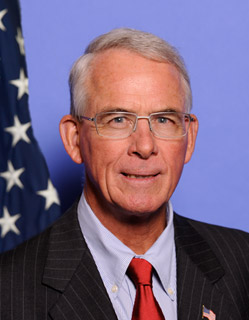
The Honorable Francis Rooney, former Ambassador to the Holy See and Member of the U.S. House of Representatives, discusses the global implications and unintended adverse consequences of Hamas' attack on Israel, whether diplomatic efforts and/or the Vatican's involvement could bring peace to the Middle East, and the likelihood of success with ongoing negotiations to secure the release of hostages.
11 January 2024
Rachel Greszler, Senior Research Fellow in the Roe Institute at The Heritage Foundation, discusses how President Biden's proposed overtime regulations will result in job losses, lower benefits and less flexibility for employees, and how struggling Americans would bear the impact of a $17 federal minimum wage.
05 January 2024
Wayne Crews, Fellow in Regulatory Studies at the Competitive Enterprise Institute, discusses the cost of federal regulations to the U.S. economy, and the need for regulatory transparency and reform.
Scroll to load more
